


The Asian Scientist 100
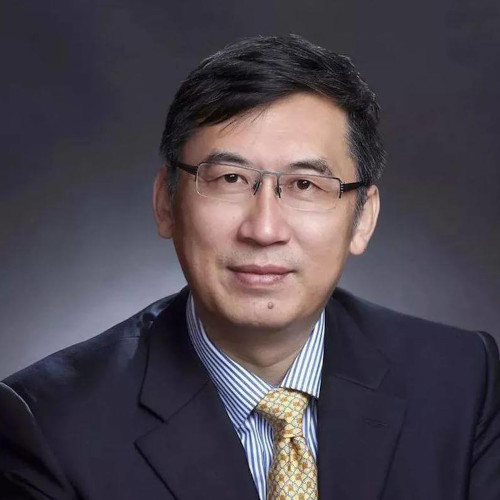
Lu Ke
Institution
Chinese Academy of Sciences
Country
China
Field
Materials Sciences
Lu is the winner of the 2020 Future Science Prize (Physical Science Prize) for discovering and synthesizing a superior nanotwinned structure and gradient nanostructure.
(Photo: Future Science Prize)
AWARDS
- Future Science Prize 2020
Related articles

Australia Gears Up For Square Kilometer Array Telescope With New Supercomputer
A new supercomputer that is 10,000 times faster than an average office desktop computer has been installed in preparation for Australia's Square Kilometer Array telescope.
WWF India Distributes Poster On 12 Illegally-Traded Native Parrot Species
In order to put an end to the illegal bird trade, TRAFFIC India with support from WWF-India has produced a poster entitled “Parrots of India in Illegal Trade."
East Asian Students Are 2-3 Years Ahead Of Western Peers, Report Says
A new Grattan Institute report has found that Western countries – including Australia – are slipping behind East Asian systems in school performance, despite substantial increases in school funding.

Delhi Mass Drill Simulated 7.2 Magnitude Earthquake
More than 40,000 Delhi residents took part in a mass earthquake drill on Wednesday that simulated a 7.2 magnitude earthquake on the Richter scale.

Aging Asia Faces Issues Of Isolation And Poverty, Experts Warn
With 60 percent of the world’s population, Asia has one of the largest concentrations globally of aging persons, creating a host of potential challenges, experts warn.

UNESCO’s Kizuna Campaign Sends 30,000 Hopeful Messages To Sendai, Japan
UNESCO’s Kizuna campaign, which led to 30,000 messages of friendship from students around the world being sent to their peers in the devastated areas, reached Nakano School in Sendai, Japan.

1 In 3 Vietnamese Children Are Stunted, Experts Say Lack Of Breastfeeding To Blame
A mass media campaign in Vietnam promoting exclusive breastfeeding and complementary feeding was launched today to fight the country's high rate of stunting in children.

Study: Exercise Can Reverse Negative Effects In Offspring Of Obese Mothers
Exercise is the key to reversing the adverse metabolic effects passed on to offspring by their overweight mothers, says a new study from the University of New South Wales.

GeneNews & Shanghai Biochip To Open Personalized Medicine Center In China
Canadian molecular diagnostics company GeneNews Limited has signed a MOU with Shanghai Biochip Co. Ltd. to establish a personalized medicine center in China.