


The Asian Scientist 100
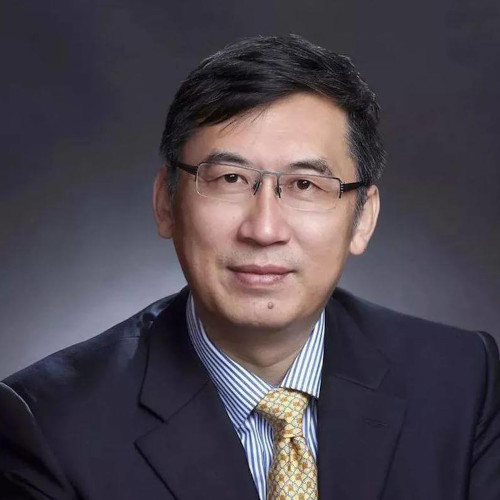
Lu Ke
Institution
Chinese Academy of Sciences
Country
China
Field
Materials Sciences
Lu is the winner of the 2020 Future Science Prize (Physical Science Prize) for discovering and synthesizing a superior nanotwinned structure and gradient nanostructure.
(Photo: Future Science Prize)
AWARDS
- Future Science Prize 2020
Related articles

UNICEF: Worrying Decline Of Breastfeeding Across East Asia
UNICEF this week voiced alarm at the decline of breastfeeding across East Asia, and stressed the long-term benefits of breastfeeding for development in children.

Genes Associated With Childhood Obesity Identified In Largest Ever Study
A large international collaborative study has identified at least two new gene variants that increase the risk of common childhood obesity.

Male Bottlenose Dolphins Form Unique Alliances To Defend Females
A new study reveals that bottlenose dolphins form unique nested male alliances within an open social network based on shifting geographical ranges.

‘Rogue’ Mitochondrial DNA May Play Critical Role In Heart Failure
DNA from the heart's own cells may play a role in heart failure by mistakenly activating the body's immune system, researchers have found.
Ranbaxy Unveils Synriam: India’s First Anti-Malarial Drug
India's Ranbaxy Laboratories Limited has launched the country's first indigenously-developed anti-malarial drug, Synriam.

National Geographic, Alibaba To Offer Grants For Conservation In China
With support from the Alibaba Group, the National Geographic Society has announced a new fund for air and water conservation in China.

Space Scientists Refute Theory Of Cosmic Ray Origin
An international group of researchers who call themselves the IceCube Collaboration has produced surprising results about one of the most enduring mysteries in physics - the origin of cosmic rays.

Monash University To Break New Ground In China
Monash University has signed a landmark partnership with China's Southeast University, becoming the first Australian university to be granted a licence to operate in China.

First TCM Drug Approved In EU Market
A Chinese traditional drug has been approved for sale in a European market for the first time, the Chinese Academy of Sciences announced on Wednesday.