


The Asian Scientist 100
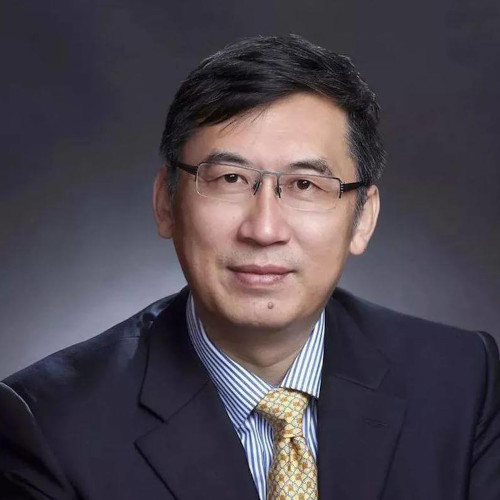
Lu Ke
Institution
Chinese Academy of Sciences
Country
China
Field
Materials Sciences
Lu is the winner of the 2020 Future Science Prize (Physical Science Prize) for discovering and synthesizing a superior nanotwinned structure and gradient nanostructure.
(Photo: Future Science Prize)
AWARDS
- Future Science Prize 2020
Related articles
Hostile Gut Bacteria Linked To Type 2 Diabetes
New research shows that the composition of a person’s gut bacteria could play an important role in the development of type 2 diabetes.

Study Confirms Sexism In Science, So What Are We Going To Do?
Scientists are biased towards recruiting and encouraging men over women into the profession, according to a study in PNAS. If the data is valid, what should be done to address this issue?

Lotriga 2g Receives NDA Approval In Japan For Hyperlipidemia
The Japanese Ministry of Health, Labor and Welfare has approved a New Drug Application of Lotriga granular capsule 2g for the treatment of hyperlipidemia in Japan.

23 Nuclear Power Plants In Tsunami Hot Spots
Researchers have identified 23 atomic power plants that are more prone to suffering the effects of a tsunami.

OPINION: India Mustn’t Bow To Patent Pressure
The latest round of challenges to India's drug patent laws is a fight that must be won for the world's poor, says Priya Shetty.

Who’s The Fairest Of Them All?
Skin-lightening cosmetics are all the rage in Asia. What’s the science behind them and could they be doing more harm than good?

Earlier Hepatitis B Treatment In Young Patients May Yield Better Results
Scientists in Singapore have found that young patients with Hepatitis B are not immune tolerant as previously thought.
IUCN Scientists Release List Of World’s 100 Most Threatened Species
For the first time ever, scientists from the IUCN Species Survival Commission have identified 100 of the most threatened animals, plants, and fungi on the planet.
OPINION: Crisis Of Identity Among Chinese University Students
Widespread controversy and doubt about the quality of higher education is plaguing the university system in China, writes Lili Liu of the Central Party School in Beijing.