


The Asian Scientist 100
Lu Ke

Institution
Chinese Academy of Sciences
Country
China
Field
Materials Sciences
Lu is the winner of the 2020 Future Science Prize (Physical Science Prize) for discovering and synthesizing a superior nanotwinned structure and gradient nanostructure.
(Photo: Future Science Prize)
AWARDS
- Future Science Prize 2020
Related articles

Brain Circuit Makes It Harder For Obese People To Lose Weight
Researchers in Australia explain why when obese people diet, they end up losing less weight.

India And Asia Collided 10 Million Years Later Than Previously Thought
A new study suggests that the collision between India and Asia occurred only 40 million years ago - 10 million years later than previously thought.
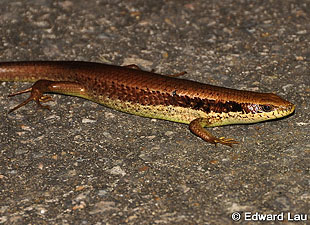
Lizard Mothers Turn Protective When Predators Lurk, Study
In a rare show of maternal care in lizards, female Asian long-tailed skinks actively deter snakes from consuming their eggs on Taiwan's Orchid Island.

Blurring The Boundaries In Science: GYSS@one-north
At the Global Young Scientist Summit 2013, a panel of Nobel laureates from various disciplines discussed the difficulties of multidisciplinary research.

South Korea Launches Rocket On Third Attempt
South Korea successfully launched a rocket on Wednesday, its third attempt to place a satellite into space.

Chinese Solar Panel Maker Joins WWF’s Climate Savers Program
A Chinese solar panel maker has become the first Chinese company to join WWF's Climate Savers program.

Hormones Can Change DNA In Breast Cells, Study
Scientists in Australia have discovered how female steroid hormones can make dramatic changes to the genetic material in breast cells.

Indian Aryuvedic Plants May Hold Key To Diabetes Treatment
With the growing worldwide incidence of diabetes, a new study has revealed that traditional Aboriginal and Indian Aryuvedic plant extracts show potential for managing the disease.

Black Holes Growing Faster Than We Thought, Study
Astronomers from Australia have discovered that supermassive black holes are growing much faster than was expected.