


The Asian Scientist 100
Lu Ke

Institution
Chinese Academy of Sciences
Country
China
Field
Materials Sciences
Lu is the winner of the 2020 Future Science Prize (Physical Science Prize) for discovering and synthesizing a superior nanotwinned structure and gradient nanostructure.
(Photo: Future Science Prize)
AWARDS
- Future Science Prize 2020
Related articles

Why Macaques Minimally Interact In Palm Oil Plantations
Faced with constant threats, macaques acted more aggressively and showed reduced social bonding inside palm oil plantations, research shows.
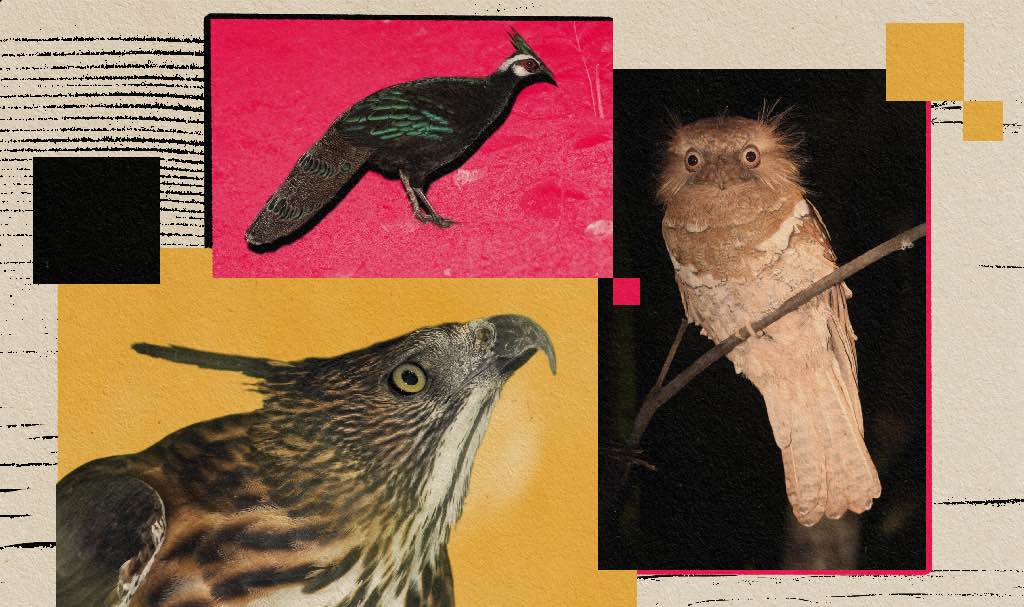
Philippine Birds On The Brink Of Extinction
Deforestation, habitat degradation and wildlife exploitation are among the factors increasing the extinction risk of Philippine birds, find scientists.

Forming New Neurons With Help From Gut Microbes
According to scientists, gut microbes that metabolize tryptophan release molecules that stimulate the production of new neurons in the adult brain.

Finding Peace Among The (Vertical) Plants
Need to relax? Looking at vertical greenery might just do the trick, say scientists from Singapore.

Keeping Singapore Cool
With global warming at our doorstep, researchers in Singapore are leveraging supercomputers to tackle the complex challenge of urban heat.

Sweeping Up Space Junk (VIDEO)
By clearing out space debris, Astroscale is securing a safe and sustainable future for space development efforts, says CIO Ai Makino.
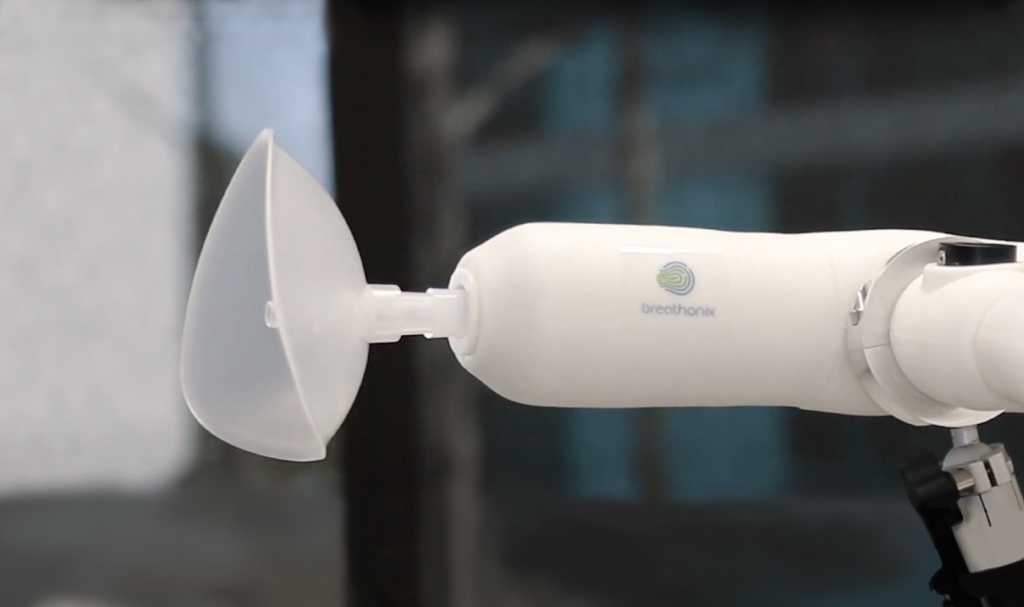
Detecting COVID-19 With A Single Blow
Through a new breathalyzer developed by Singapore start-up Breathonix, detecting COVID-19 could soon be as quick and easy as blowing into a mouthpiece.

Redefining Asian Science
As the world’s economic and scientific epicenters shift to Asia, the impact of the region's rich cultural heritage on research and development is becoming more apparent.

How China Beat Malaria
After four consecutive years of recording zero local cases, China is officially malaria-free—thanks to an innovative rapid reporting and response model.