


The Asian Scientist 100
Lu Ke

Institution
Chinese Academy of Sciences
Country
China
Field
Materials Sciences
Lu is the winner of the 2020 Future Science Prize (Physical Science Prize) for discovering and synthesizing a superior nanotwinned structure and gradient nanostructure.
(Photo: Future Science Prize)
AWARDS
- Future Science Prize 2020
Related articles

Starry-Eyed Dung Beetles And Inside-Out Beer Goggles … It’s Ig Nobel Time
Scientists from Japan and Thailand have the dubious honor of being awarded this year's Ig Nobel Prize for Medicine and Public Health, respectively.

Body Mass More Nurture Than Nature, Study
A DNA study in more than 20,000 pairs of siblings has found that the influence of genes on BMI scores is lower than previously thought.
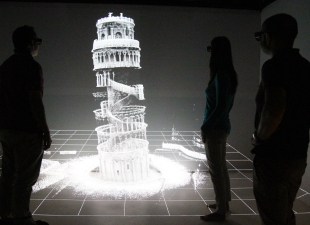
Leaning Tower Of Pisa Mapped In 3D
Researchers have created the first ever interior 3D map of Italy’s iconic Leaning Tower of Pisa by using a mobile laser mapping system.

Lemons Fly As Jet Fuel Of The Future
A researcher in Australia hopes to use a chemical found in lemons and other citrus fruits to make clean, renewable jet fuel.
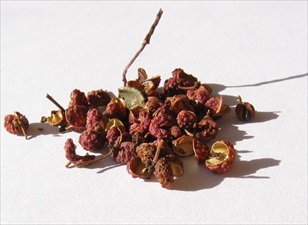
Tingling Sensation Caused By Asian Spice Could Help With Chronic Pain
The science behind the tingling sensation caused by eating Sichuan pepper, a popular Asian spice, has been uncovered by researchers.

Chinese Scientists Unravel Genome Of Desert Poplar
Researchers in China have unraveled the whole genome sequence of desert poplar and the genetic bases underlying its adaptation to salt stress.

Nanopatterned Black Silicon Shows Antibacterial Power
Researchers have revealed the bacterial killing potential of black silicon, leading the way for the development of a new generation of nanostructured antibacterial materials.

Global Study Shows Cancer Patients Lack Access To Pain Medicines
A global study reveals a pandemic of intolerable pain affecting billions, caused by over-regulation of pain medicines.

Study Investigates Cause Of High Traffic Fatalities In Malaysia
A study of drivers in Malaysia and the UK showed that Malaysian drivers have much slower reaction times and required a higher threshold of danger before taking action.