


The Asian Scientist 100
Lu Ke
Institution
Chinese Academy of Sciences
Country
China
Field
Materials Sciences
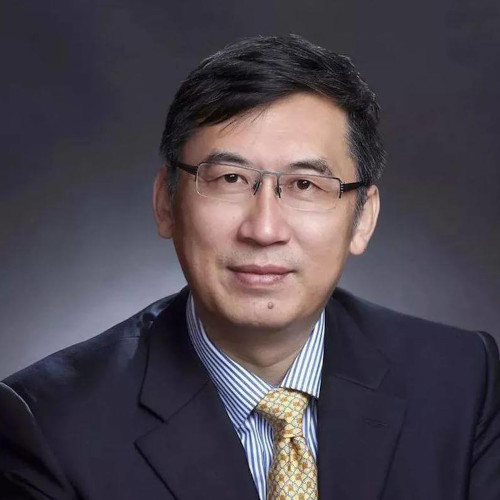
Lu is the winner of the 2020 Future Science Prize (Physical Science Prize) for discovering and synthesizing a superior nanotwinned structure and gradient nanostructure.
(Photo: Future Science Prize)
AWARDS
- Future Science Prize 2020
Related articles

Daily Drives Linked To Poor Health
A study has identified driving as a risk factor for poor health behaviors and outcomes such as smoking, obesity and insufficient sleep.
Indian Plant Compound Could Play Role In Cancer Cell Death
Gedunin, an extract of the Indian neem tree that has been used for centuries in Asia as a natural remedy to treat inflammation, fever, and malaria, may also be used to help kill cancer cells.

Scientists Invent Self-Healing Supercapacitors
Wearable electronics of the future could be powered by self-healing capacitors developed at NTU, which retain up to 85 percent of their electrical performance even after being cut five times.

The Geometry Of Genetic Coding
The specificity of the tRNA synthetase enzyme, and consequently protein translation, is due to geometric features determined by a single base pair known as the wobble base pair.

Spoilt Scaffolds Underlie Some Brain Defects
Scientists have identified the gene TUBB5 that regulates the microtubule scaffold in neurons, thereby playing an important role in healthy brain development.

Do Female Hormones Contribute To Obesity?
Scientists suggest that exposure to estrogen from soy products or PVC plastics could explain the higher rates of obesity in males of developed countries.

Japanese Catfish Use pH To Locate Prey
By detecting the changes in pH as underground sea worms breathe, Japanese catfish are able to find their prey even in murky water.

NUS & RAPS Launch Regulatory Certification Program
The Medical Devices Regulatory Affairs (MDRA) program is intended to prepare regulatory professionals to meet the expected high demand as the industry gains momentum.

Keeping Data Under Lock And Key
In light of the recent revelations on mass surveillance programmes, SMU Professor Pang Hwee Hwa’s research into enhancing data privacy may bring relief to both companies and individuals alike.