


The Asian Scientist 100
Lu Ke

Institution
Chinese Academy of Sciences
Country
China
Field
Materials Sciences
Lu is the winner of the 2020 Future Science Prize (Physical Science Prize) for discovering and synthesizing a superior nanotwinned structure and gradient nanostructure.
(Photo: Future Science Prize)
AWARDS
- Future Science Prize 2020
Related articles

Hot On The Trail Of The Hepatitis-Liver Cancer Connection
Infection with hepatitis viruses leads to the same genetic profile in tumors, even if they look different histologically.

Using Nanoparticles As Antioxidants
By incubating them with electron donors, scientists have managed to improve the antioxidant ability of nanoceria.

Naked Oats Clean Up Radioactive Soil
Naked oat plants are able to remove 1.4 percent of radioactive strontium from contaminated soil after 120 days.

The Link Between Ubiquitination & Receptor Stability
Modifying the stability of the AMPA receptor through ubiquitination could lead to new treatments for diseases such as Alzheimer's.

The Master Switch Controlling Plant Growth
The discovery of the protein BSS1 could lead to improved control over crop growth via the brassinosteroid signalling pathway.
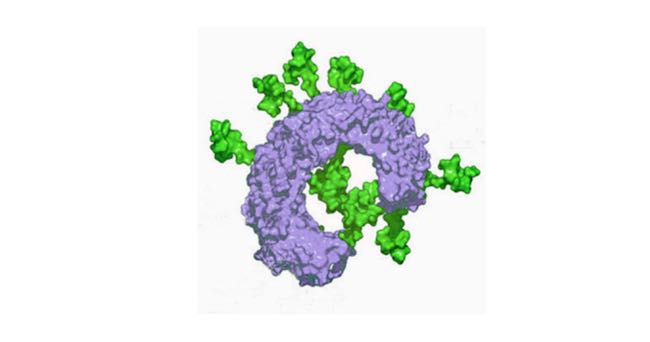
Immunity’s Impact On Cocaine Addiction
Preventing cocaine from binding to the immune receptor TLR4 can alleviate the effects of addiction, according to study.

For Precision, Two Clocks Are Better Than One
The optical lattice clocks use lasers to create "egg box" structures that contain single atoms, leading to unprecedented precision.

Fixing A Million Year Clock
A new, more accurate value for the half life of 60Fe could be used to fix an atomic clock that measures galactic history.
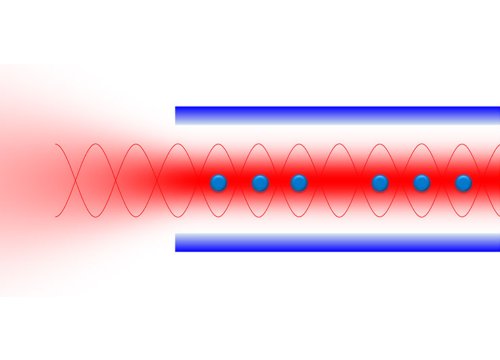
High-Precision Spectroscopy Paves The Way For Atomic Clocks
Scientists have developed a method of trapping atoms in an optical lattice that could lead to the miniaturization of atomic clocks.