


The Asian Scientist 100
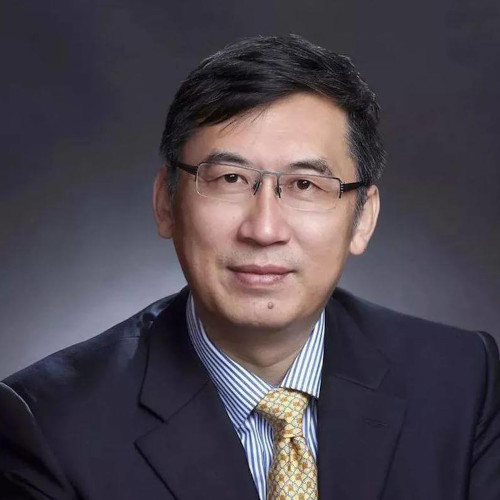
Lu Ke
Institution
Chinese Academy of Sciences
Country
China
Field
Materials Sciences
Lu is the winner of the 2020 Future Science Prize (Physical Science Prize) for discovering and synthesizing a superior nanotwinned structure and gradient nanostructure.
(Photo: Future Science Prize)
AWARDS
- Future Science Prize 2020
Related articles
School Closures Had No Effect On COVID-19 Spread In Japan
By comparing similar Japanese municipalities with closed or open schools, researchers found that campus restrictions did not reduce COVID-19 transmission.

Cooking Up Shelf-stable Sauces For International Markets
Using the combination of food science and technology, IPI Innovation Advisor Dr Rebecca Lian helped pave the way for FG Food Industries’ international expansion.
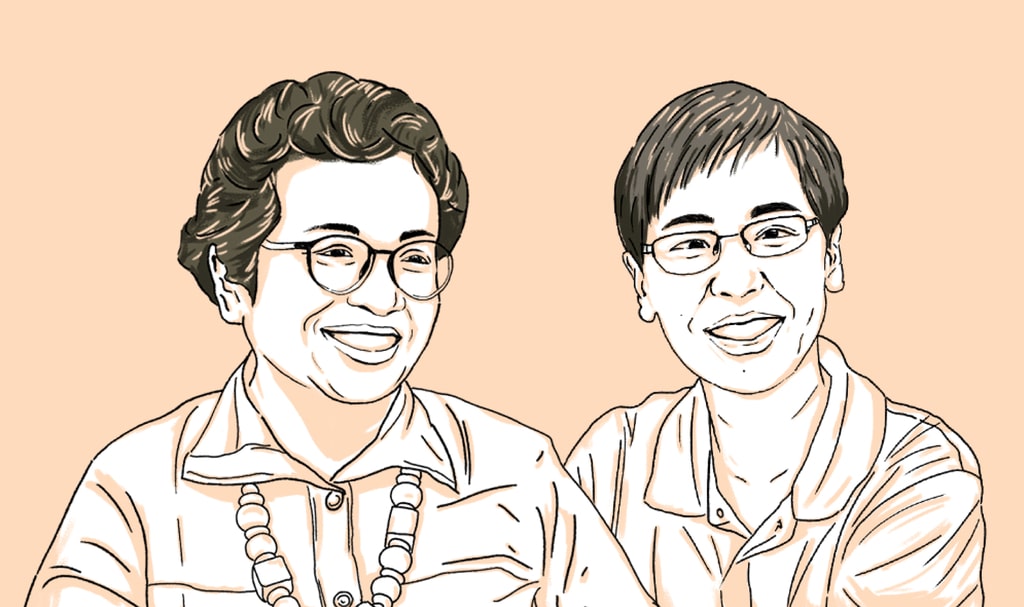
Two From Southeast Asia Win Science Prize for Women 2021
For working to achieve clean water and clean air, Singapore's Dr. Li Hongying and Indonesia's Dr. Neni Sintawardani have won the Underwriters Laboratory-ASEAN-US Science Prize for Women 2021.

From Soy Whey Water To Sustainable Beverages
By offering invaluable food science and business advice, Dr Ong Mei Horng is helping SinFooTech to get their innovative and sustainable alcoholic beverage market ready.

Signs of Supereruptions: The Magma Beneath Toba
By combining geologic dating with computer modeling, scientists have discovered that constant magma build-up fueled Toba’s supereruptions, the largest in Earth’s history.

A Clean Slate: Revolutionizing Pharmaceutical Cleaning
Working hand in hand with industry partners, researchers from the Singapore Institute of Technology (SIT) are finding innovative ways to streamline cleaning in pharmaceutical manufacturing.

An Afternoon Nap A Day May Keep Dementia At Bay
Afternoon napping is linked to better mental agility, locational awareness, verbal fluency and working memory, according to researchers from China.

Three Technologies Driving The Future Of Mental Healthcare
Digital innovation can paint a brighter future for diagnosing and treating mental health conditions, but achieving an equitable ecosystem needs careful evaluation of the technologies involved.
India’s Poorest Suffer Most From Air Pollution
India’s low-income households are at significantly higher risk for premature deaths due to air pollution compared to high-income groups.