


The Asian Scientist 100
Lu Ke

Institution
Chinese Academy of Sciences
Country
China
Field
Materials Sciences
Lu is the winner of the 2020 Future Science Prize (Physical Science Prize) for discovering and synthesizing a superior nanotwinned structure and gradient nanostructure.
(Photo: Future Science Prize)
AWARDS
- Future Science Prize 2020
Related articles
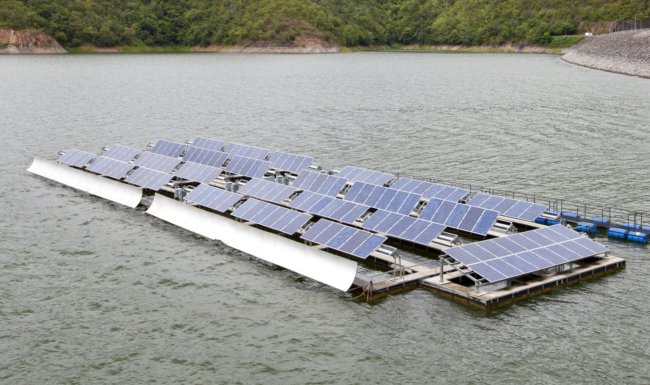
Clean Tech Collaboration Center For Asia-Pac Launched
The Asia-Pacific UNFCCC Regional Collaboration Center aims to help developing countries in the region kickstart projects to mitigate climate change.

Using Kangaroo Cartilage To Model Human Joints
Tests on kangaroo shoulder joints reveal how shoulder and knee cartilages behave differently, informing the design of joint replacements.

Watching Over A Sleeping Seed
An international team of researchers has uncovered how seeds are kept dormant until the appearance of conditions favorable for germination.

Of Couch Potatoes And Pulmonary Embolism
Watching five hours of TV per day is linked to a two-fold increased risk of developing pulmonary embolism, say scientists.

How Virus-Infected Cells Decide Whether To Fight Or Die
To die or not to die? Scientists have identified the genes involved in the decision to fight or commit suicide in cells infected with influenza viruses.

Performance Enhancing Substances For Scientists
So drugs like Modafinil might just be able to enhance our brain power safely. But we scientists have long been using other stuff to help us get by.
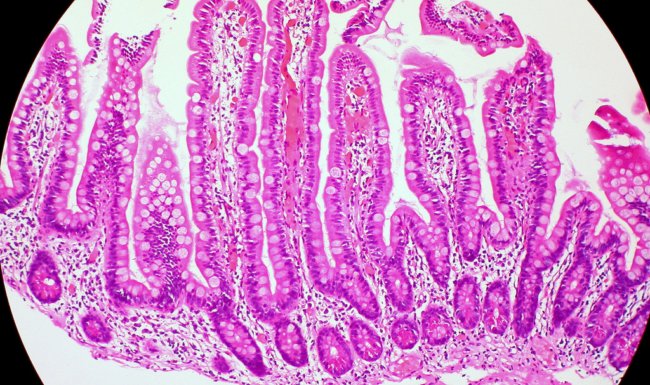
Pathway Commensals Use To Maintain Intestinal Barrier Discovered
Good bacteria in the gut can positively influence intestinal cells to secrete the right contents into the intestines to maintain a healthy gut.

The Skinny On Female Attractiveness
A cross-cultural study has shown that the idealized female weight is at least 10 kilograms lower than predicted by evolutionary models.

Where Did Saturn’s F Ring And Shepherd Satellites Come From?
Using computer simulations, scientists have found that collision of satellites drove the formation of Saturn's F ring and shepherd satellites.