


The Asian Scientist 100
Lu Ke

Institution
Chinese Academy of Sciences
Country
China
Field
Materials Sciences
Lu is the winner of the 2020 Future Science Prize (Physical Science Prize) for discovering and synthesizing a superior nanotwinned structure and gradient nanostructure.
(Photo: Future Science Prize)
AWARDS
- Future Science Prize 2020
Related articles

Being A Scientist Is Like…
It can be tough explaining to a young person what being a scientist is like. Here are some creative ways to go about it.

Wound Healing On A Different Scale
A research group in Singapore has developed a method to use waste fish scales as a source of collagen for wound healing.

Riding AI’s Ripple Effect
Artificial intelligence technologies are already making a profound impact on businesses and individuals. Panelists at an event organized by SGInnovate discuss what’s in store for the future.

The Age Of The Astropreneur Is Here
As space becomes increasingly democratised, even small companies in small countries can get in on the game, says Dr Bidushi Bhattacharya, CEO and co-founder of Singapore-based space tech incubator Astropreneurs HUB.

Ready For Liftoff
With technological advances lowering barriers to entry for startups and smaller players, it’s all systems go for Singapore space tech.

A Dose Of (Virtual) Reality
With virtual reality (VR) and augmented reality (AR) technologies blurring the seams between reality and fantasy, everyone from startups to academia and even NASA wants a slice of the action.
When AI Gets Leaner And Meaner
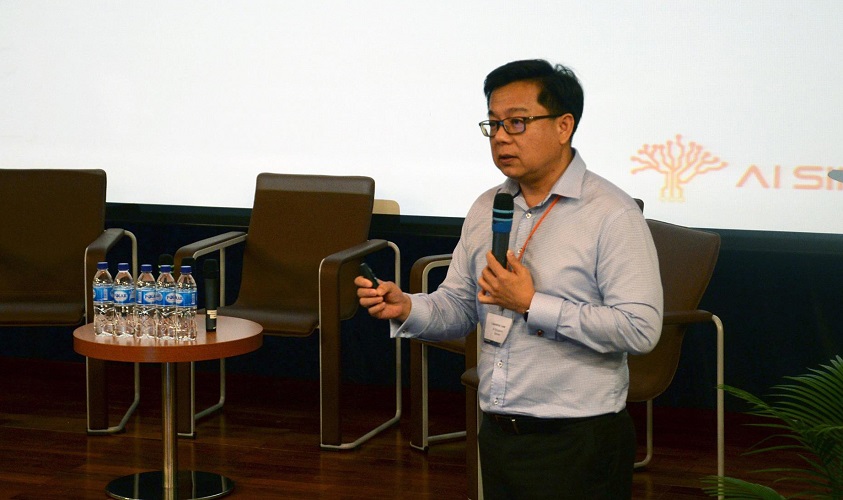
New AI approaches that require less data and computational power are changing the game for tech giants and startups alike, said speakers at the INSEAD Artificial Intelligence and Machine Learning Festival.
A Virtual Blueprint For Success
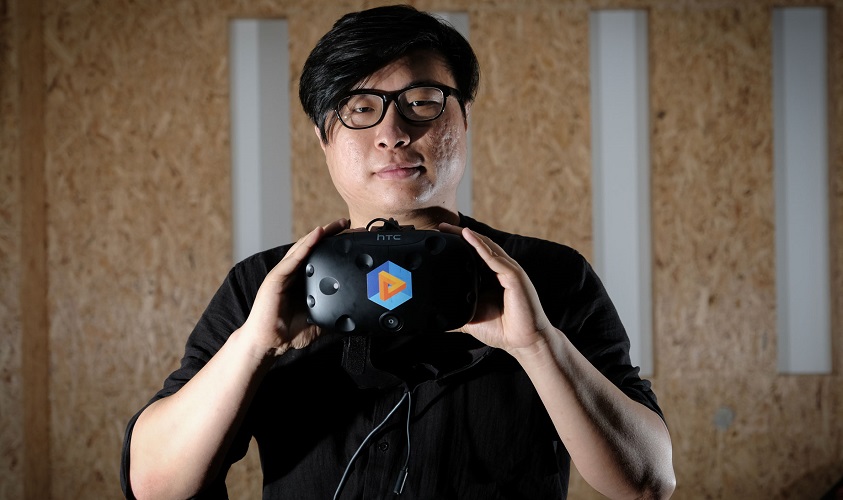
It’s not all fun and games with virtual reality—Singapore startup VRcollab is shaking up the construction industry with its VR approach to building design and review.

A Blood Test For Alzheimer’s Disease
Researchers have developed a blood test that can diagnose Alzheimer’s disease with 90 percent accuracy.