


The Asian Scientist 100
Lu Ke

Institution
Chinese Academy of Sciences
Country
China
Field
Materials Sciences
Lu is the winner of the 2020 Future Science Prize (Physical Science Prize) for discovering and synthesizing a superior nanotwinned structure and gradient nanostructure.
(Photo: Future Science Prize)
AWARDS
- Future Science Prize 2020
Related articles
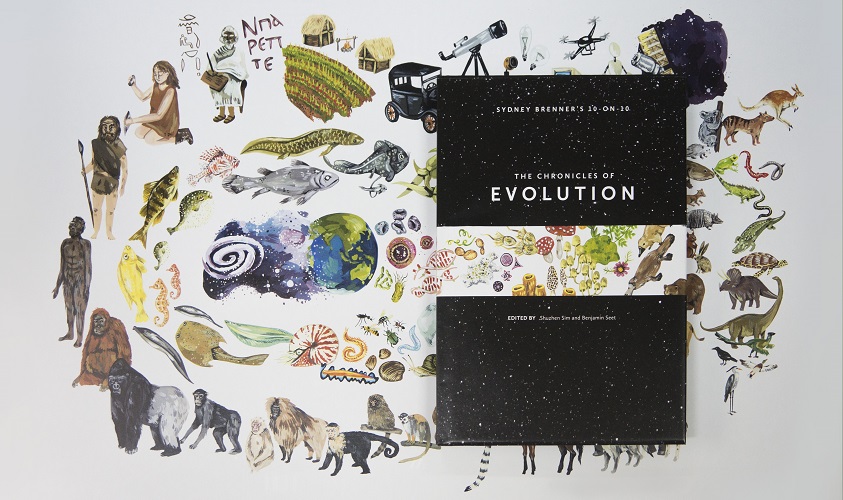
New Book Traces Humankind’s 14-Billion-Year Journey
Sydney Brenner’s 10-on-10: The Chronicles of Evolution adopts a unique perspective, tracing the evolution of life through ten logarithmic scales of time.

A Robotic Millipede That Delivers Drugs
Researchers in Hong Kong have invented a tiny robot with soft caterpillar-like legs that can cross obstacles inside the body and carry heavy loads.

Protecting Probiotic Bacteria From The Stomach
Scientists in China have encapsulated probiotics in a cellulose-alginate gel to allow the bacteria to withstand acidic conditions in the stomach.

Public Trust In Vaccines Plummets After Dengvaxia Controversy
Confidence in vaccine safety and efficacy have declined precipitously following the Dengvaxia scandal in 2017.

World’s First Mice Born To Same-Sex Parents
Chinese scientists have created mouse pups with same-sex parents using haploid embryonic stem cells and gene editing.

WuXi AppTec Launches Drug Screening Library
The DNA-Encoded Library platform consists of 80 billion unique molecules which are structurally diverse and chemically exclusive.

Skin Hardness A Better Measure Of Body Temperature
Scientists in South Korea have found that human body temperature can be better estimated by measuring skin hardness in addition to skin temperature and sweat rate.
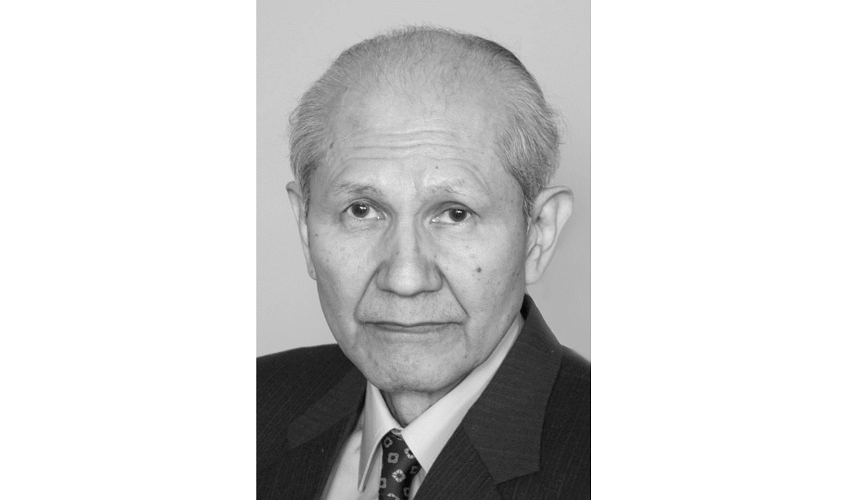
Discoverer Of GFP Osamu Shimomura Dies At 90 (In Memoriam)
Professor Osamu Shimomura’s discovery of green fluorescent protein in 1962 continues to shed light on the biomolecular pathways of biology.

Cleaner Power Sources Could Save 26 Million Years Of Life
Eliminating emissions by switching to cleaner power sources could add years to people’s lives in China and India, according to a study by scientists in the US.