


The Asian Scientist 100
Lu Ke
Institution
Chinese Academy of Sciences
Country
China
Field
Materials Sciences
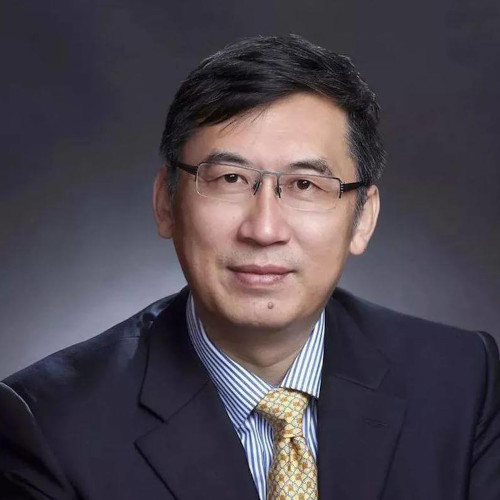
Lu is the winner of the 2020 Future Science Prize (Physical Science Prize) for discovering and synthesizing a superior nanotwinned structure and gradient nanostructure.
(Photo: Future Science Prize)
AWARDS
- Future Science Prize 2020
Related articles

Wheat Bran: An Unlikely Ally Against Oil Spills
Scientists in China have found that wheat bran could be useful to separate crude oil from water.
Strengthening Life’s Shock Absorbers
What factors can help the elderly bounce back from life ‘shocks’ like unemployment and the diagnosis of a major illness?

The Importance Of Being Efficient
Differences in efficiency explain why mergers can be beneficial, as well as why China imports so much waste, says SMU Assistant Professor Xu Jianhuan.

The Long Tail Of History
Political decisions made hundreds of years ago can have path-dependent, far-reaching consequences for the present, says SMU Professor Elvin Lim.

Why Chinese Mums Opt For Cesareans
Antagonistic relations with healthcare providers and fear of pain are reasons for the preference for cesarean delivery among women in China, Hong Kong and Taiwan.

Blockchain And Energy—Power, Not Magic
Blockchain-based platforms could slash energy costs and accelerate the adoption of renewable energy; yet the nascent technology isn’t an instant formula for success.

Growing Skin Grafts Without Animal Contamination
Scientists have developed a human protein matrix to culture skin cells, removing the need for animal-derived components used in existing culture systems.

Baby Mouse Tears Turn Off Female Mice
A research group in Japan has discovered a pheromone in young mouse tears that reduces female interest in sex, a finding which could be used as natural pest control.

How Plants Save Energy At Night
Using a fluorescent probe that tracks ATP levels in real time, an international team of plant scientists has identified a mechanism by which chloroplasts maintain energy efficiency.