


The Asian Scientist 100
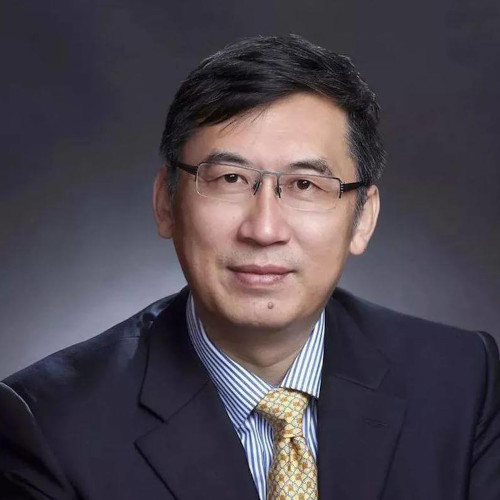
Lu Ke
Institution
Chinese Academy of Sciences
Country
China
Field
Materials Sciences
Lu is the winner of the 2020 Future Science Prize (Physical Science Prize) for discovering and synthesizing a superior nanotwinned structure and gradient nanostructure.
(Photo: Future Science Prize)
AWARDS
- Future Science Prize 2020
Related articles
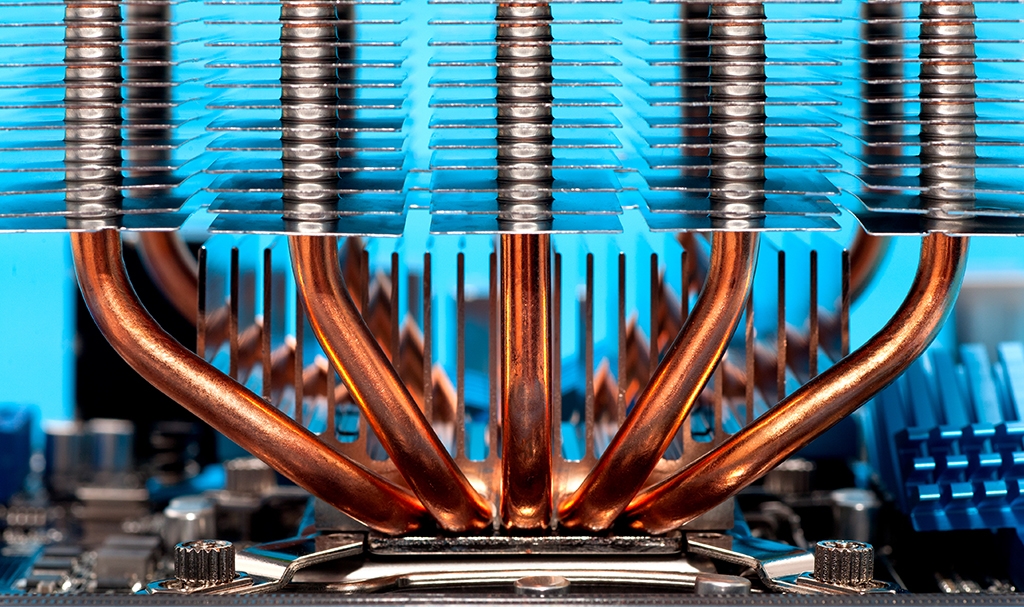
The Cost Of Cooling
Today’s supercomputers are more powerful—and hotter—than ever. Continued progress towards exascale computing requires innovative cooling techniques.

The View From The TOP500
The TOP500 list may have begun almost as an accident, but it has nonetheless come to shape the way we think about supercomputers. Supercomputing Asia catches up with the co-originator of the list, Jack Dongarra, to find out more about its past, present and future.

5 Ways Supercomputers Help Advance Science
Supercomputers are helping scientists simulate scientific processes, make predictions and create data-based solutions, tackling the biggest scientific questions one calculation at a time.

Green Is The New Black
Supercomputers are power guzzlers, but researchers like Professor Satoshi Matsuoka are leading the charge for greener, more energy-efficient machines.
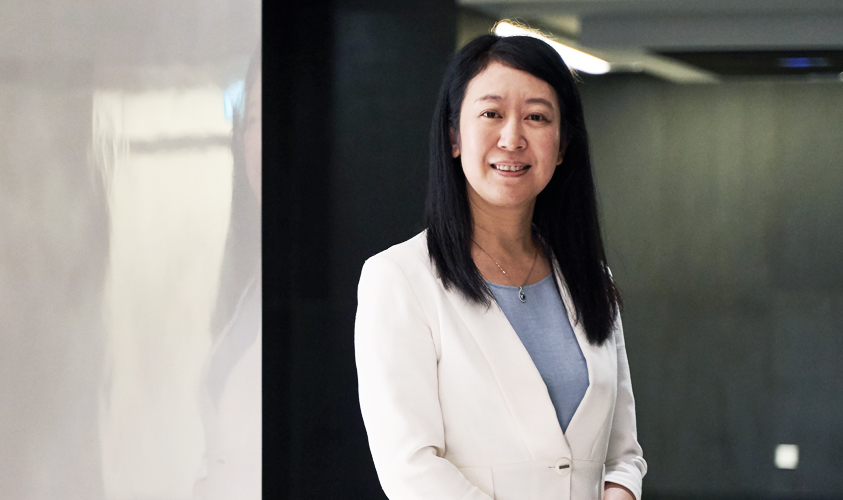
The Race To Exascale
Professor Lu Yutong shares how China’s past experiences have shaped the country’s supercomputing efforts, and calls for more collaboration among Asian countries.

Conservative Boards More Likely To Dismiss CEO
Leaning left or right in the political spectrum may affect how a company’s board manages CEO dismissal, finds SMU Assistant Professor David Gomulya.

Deep Learning Predicts Disease-Related Mutations
Scientists in Hong Kong and the US have developed a deep learning approach to predict mutations in the metal ion binding sites of proteins.

China’s Inland Water Quality Improves, Study Finds
Regulations to curb water pollution have resulted in an improvement in water quality in China, say Chinese scientists.
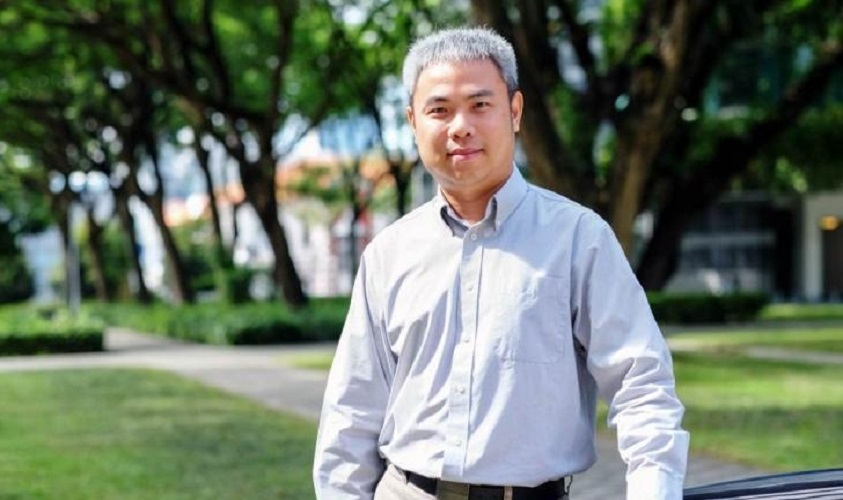
Making App Security A Priority
SMU Associate Professor Gao Debin has received two grants focused on improving the security of programs executing on desktop computers, servers and mobile devices.