


The Asian Scientist 100
Long Ran

Institution
University of Science and Technology of China
Country
China
Field
Chemistry
Long won the 2017 L’Oréal UNESCO For Women in Science International Rising Talent award for her research on photocatalysts for carbon dioxide reduction.
(Photo: L’oréal Foundation)
AWARDS
- 2017 LOréal-UNESCO For Women in Science International Rising Talent Award
Related articles
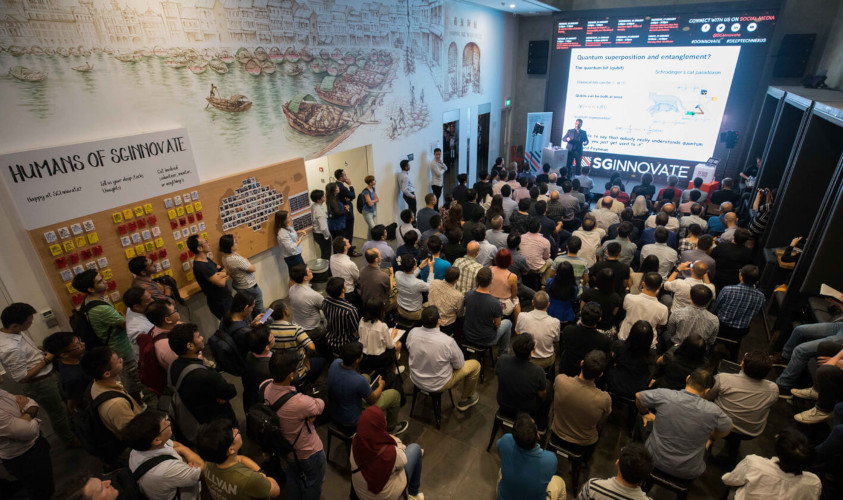
The Ongoing Quest For Quantum Supremacy
Researchers and industry users need to understand each other to harness the true potential of quantum computing, say speakers at a panel organized by SGInnovate.

A Dance Of Giants And Hobbits—How Corporates And Startups Can Collaborate
Partnerships between companies at different ends of the size spectrum can be tricky, but clear targets and timelines, as well as trust, is critical if collaborative innovation is to take off.

Nanoparticles Boost Efficacy Of Cancer Immunotherapy
Researchers in China have developed antibody nanoparticles that boost antitumor immunity in mice.

Scientists Find Two New Species Of Tweezer-Beaked Hopping Rats
After failing to bait the rodents with peanut butter, scientists in the Philippines and the US switched to using earthworms to finally discover two new species of rats living in the mountains of the Philippines.
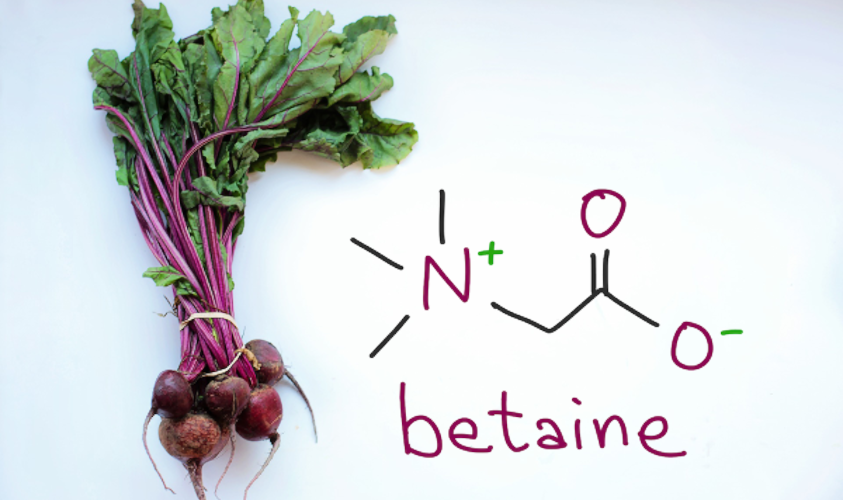
Boosting Betaine Levels To Beat Schizophrenia In Mice
Scientists in Japan found that the antioxidant properties of betaine make it an ideal candidate for the treatment of psychiatric symptoms.
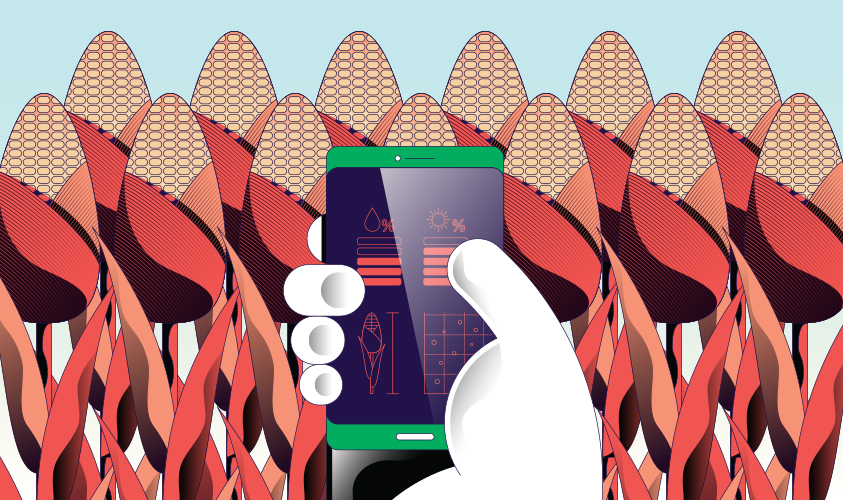
Tech Doing Good
From cleaning up mountains of untreated sludge to making railway stations fully solar-powered, technology is an ally to those hoping to solve Asia’s environmental problems.


A Quantum Leap Into The Future
By harnessing the unique properties of quantum mechanics, scientists are developing radically new technologies to make the internet impenetrable to hackers.

Fueling The Future
Green is the new black when it comes to meeting the world’s energy demands, and biofuels have a major role to play in securing a sustainable future.