


The Asian Scientist 100
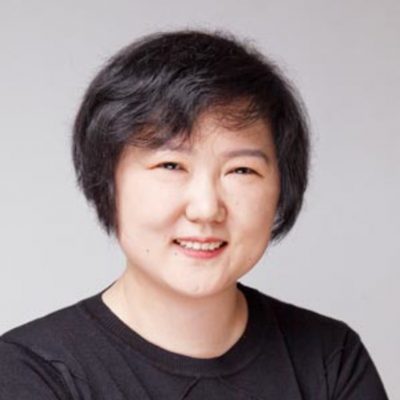
Long Ran
Institution
University of Science and Technology of China
Country
China
Field
Chemistry
Long won the 2017 L’Oréal UNESCO For Women in Science International Rising Talent award for her research on photocatalysts for carbon dioxide reduction.
(Photo: L’oréal Foundation)
AWARDS
- 2017 LOréal-UNESCO For Women in Science International Rising Talent Award
Related articles

Biomedical Researchers Win Big At Singapore’s Top Science Awards
In a year marked by a raging pandemic, biomedical scientists were in the limelight at a ceremony honoring Singapore’s top science talents.

Asia’s Rising Scientists: Arseniy Kuznetsov
Working to make science fiction a reality, Dr. Arseniy Kuznetsov manipulates light at the nanoscale to develop technology for high-quality holographic images.

Automating The Evolution Of Antimicrobial Resistance
To deepen their understanding of antimicrobial resistance, researchers have developed a robotic system that could evolve bacteria in bulk after exposure to different antibiotics.

RIE2025: Behind Singapore’s S$25 Billion R&D Budget
Singapore is set to invest a record S$S25 billion in science and technology research over the next five years.

Monkey See, Monkey Do: Mimicking COVID-19 in Macaques
A rhesus macaque model of COVID-19 suggests that primates can shed SARS-CoV-2 virus from the nose and stool for nearly a month after infection.

How Bats Can Carry Viruses Without Getting Sick
Scientists in Singapore have discovered that a subdued immune response may be the reason why bats can harbor deadly viruses without batting an eyelid.
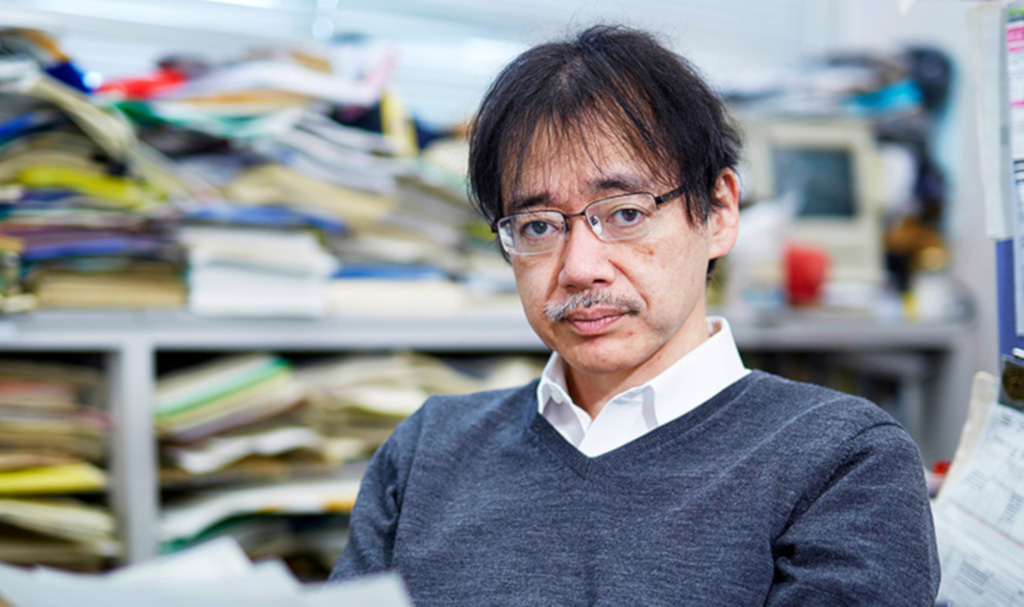
Atsushi Miyawaki Awarded 2020 Keio Medical Science Prize
Atsushi Miyawaki was co-awarded the 25th Keio Medical Science Prize for developing bioimaging technology that allows researchers to observe the cell’s most intricate details.

Small Molecules Give Vaccines A Big Boost
Small molecule libraries represent a promising source of new vaccine-boosting ingredients, scientists find.

Helping Businesses Take A Digital Leap (VIDEO)
Assistant Chief Executive Jane Lim of the Infocomm Media Development Authority provides businesses in Singapore with the tools needed to kickstart their digital journeys.