


The Asian Scientist 100
Long Ran
Institution
University of Science and Technology of China
Country
China
Field
Chemistry
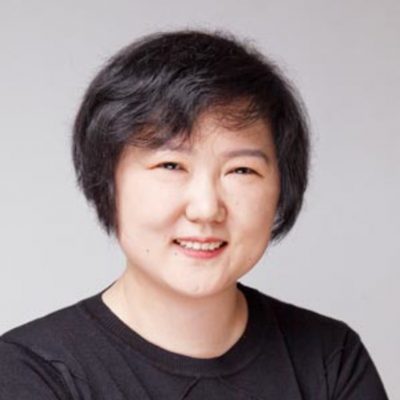
Long won the 2017 L’Oréal UNESCO For Women in Science International Rising Talent award for her research on photocatalysts for carbon dioxide reduction.
(Photo: L’oréal Foundation)
AWARDS
- 2017 LOréal-UNESCO For Women in Science International Rising Talent Award
Related articles

Living Smart And Sustainably
Entrepreneurs and their inventions have a role to play in shaping a more sustainable world in the wake of the pandemic, said experts at TechInnovation 2020.

Three Ways AI Will Supercharge Lab Diagnostics
From aggregating massive patient datasets to unlocking new insights, artificial intelligence is set to transform clinical laboratories for the better.

Asia’s Big Biomedical Bet Pays Off
From performing outsourced research and manufacturing generics, Asia's biomedical researchers are now among the world's most innovative.

The Case For Restoring Hong Kong’s Oyster Reefs
Oysters aren't just tasty; they're good for the environment too—which is why Hong Kong's conservationists are racing to restore local oyster reefs.

Philippines’ Maya-2 Nanosatellite Takes Flight
The successful launch of the Maya-2 nanosatellite is set to further boost the Philippines' space ambitions and capacity for data-driven agricultural research.

No Sugar-coating Here: How Asian Food Affects Blood Sugar
To encourage healthier eating habits, researchers from Singapore have ranked common Asian foods according to their impact on blood sugar levels.

Kickstarting The Search For Sustainable Solutions
Innovators with sustainable solutions will have the opportunity to be awarded up to S$1 million in supporting grants by taking part in this year’s Sustainability Open Innovation Challenge.
Transforming Earth’s Trash Into Space’s Treasure
Converting human waste into liquid fertilizer may be the key to growing food in space, find researchers from Japan.

Follow The Money
Forget speed; 5G is really about transforming the way business is done, says Huawei’s chief technology officer Paul Scanlan.