


The Asian Scientist 100
Long Ran

Institution
University of Science and Technology of China
Country
China
Field
Chemistry
Long won the 2017 L’Oréal UNESCO For Women in Science International Rising Talent award for her research on photocatalysts for carbon dioxide reduction.
(Photo: L’oréal Foundation)
AWARDS
- 2017 LOréal-UNESCO For Women in Science International Rising Talent Award
Related articles

Why Children May Experience Mild COVID-19
Compared to adults, children with COVID-19 have a lower T cell response, possibly leading to mild or asymptomatic infections.

Rewriting The (Under)story Of Rapid Bird Evolution
Contrary to typically long evolutionary timeframes, Sulawesi babblers have diversified surprisingly quickly on Indonesia's islands.

Bracing For Impact With Tougher Helmets
By developing a tough new plastic, a Singapore-France team engineered stronger bicycle helmets to minimize the risk of critical head injuries.
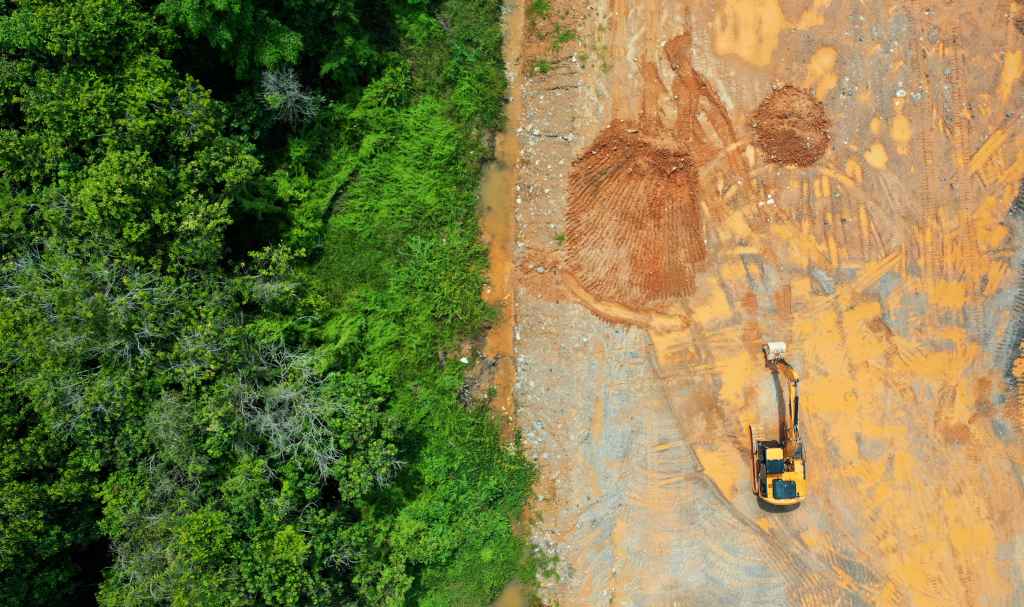
Carbon Emissions Skyrocket In Deforested Southeast Asia
As forest clearance shifted to elevated areas in Southeast Asia, stockpiles of carbon have been lost at an accelerated pace in recent years.

Hunting For Disease Markers In ‘Junk’ DNA
An international team has developed a speedy new method to analyze thousands of noncoding variants and their links to diseases like diabetes.

Turning Tamarind Shells Into Energy Stores
No longer relegated to the trash bins, tamarind fruit shells can be converted into carbon nanosheets used in energy storage devices.
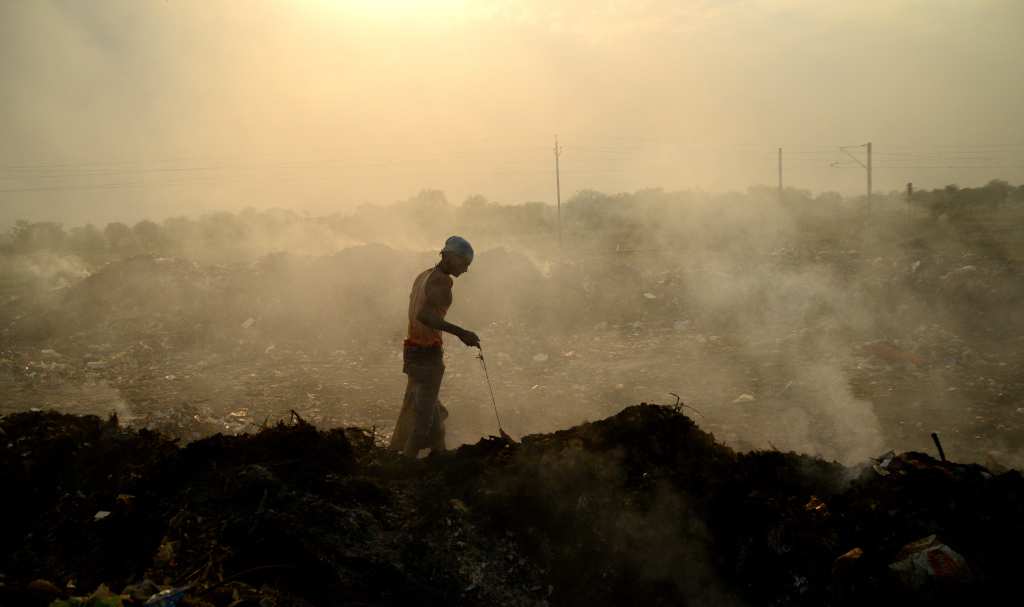
Breaking Bad Chemicals With Bacterial Detoxifiers
India's landfills are home to tiny environmental detoxifiers—bacteria that transform chemical wastes into harmless substances.

Philippines’ Indigenous Ayta Carry Most Denisovan Ancestry
The Ayta Magbukon people have the highest levels of DNA from Denisovans globally, revealed genetic evidence from 118 Philippine ethnic groups.

Nuts & Bolts–Improving The E-commerce Experience
The COVID-19 pandemic has accelerated the growth of the e-commerce industry as a digital new normal takes over. Here are four Tech Offers riding the wave.