


The Asian Scientist 100
Long Ran

Institution
University of Science and Technology of China
Country
China
Field
Chemistry
Long won the 2017 L’Oréal UNESCO For Women in Science International Rising Talent award for her research on photocatalysts for carbon dioxide reduction.
(Photo: L’oréal Foundation)
AWARDS
- 2017 LOréal-UNESCO For Women in Science International Rising Talent Award
Related articles

China Joins Pursuit To Uncover Neutrino Mystery
China’s new underground neutrino laboratory project will help scientists better understand the neutrino mass hierarchy.

Golden Meditech Sells 27.9% Stake To Sanpower Group
Golden Meditech Holdings Ltd, a Chinese healthcare company, raised US$100 million via the sale of shares in Fortress Group Ltd to Sanpower Group.

Brains Know When To Stop Drinking Water
Scientists have found that drinking water can activate different areas of the brain, depending on whether the subject is thirsty or satiated.

Not Such A Tough Nut To Crack Anymore
An international group of scientists have cracked the peanut genome, paving the way for genetic improvements in the widely-cultivated crop.

Using Genetics To Determine Mosquito Age
Scientists are now able to determine the age of mosquitoes with transcriptional profiling, and have shown that disease transmission is by mosquitoes older than twelve days.
How Hedge Funds Beat The Market
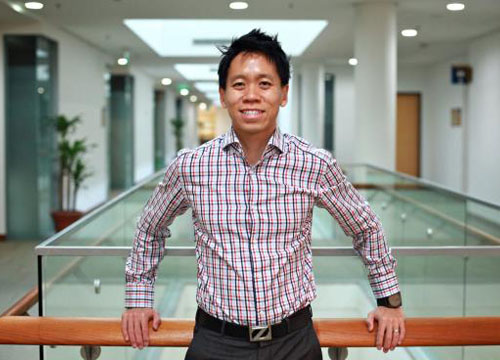
From epic tales spun around investment legends to the secretive, high-octane world of Wall Street, the hedge fund is notorious for being an opaque, unwieldy beast. Professor Melvyn Teo from the SMU Lee Kong Chian School of Business studies what makes them tick.

The Science Behind Consumer Choice
SMU Assistant Professor Jane Wang uses her background in economics and psychology to answer how the choices we make - and the tradeoffs that come with each - affect our wellbeing.

Generous Giving Helps Firms Get Ahead
SMU Associate Professor Wang Heli’s research shows that companies should pay more attention to corporate social responsibility as it benefits them both financially and politically.

Futuristic Wearable Medical Device Has Nanosensors For Drug Release
Scientists are closer to realizing the goal of wearable medical devices with the demonstration of a multifunctional nanomaterial-based system.