


The Asian Scientist 100
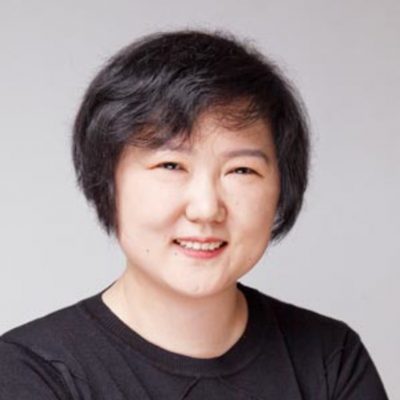
Long Ran
Institution
University of Science and Technology of China
Country
China
Field
Chemistry
Long won the 2017 L’Oréal UNESCO For Women in Science International Rising Talent award for her research on photocatalysts for carbon dioxide reduction.
(Photo: L’oréal Foundation)
AWARDS
- 2017 LOréal-UNESCO For Women in Science International Rising Talent Award
Related articles
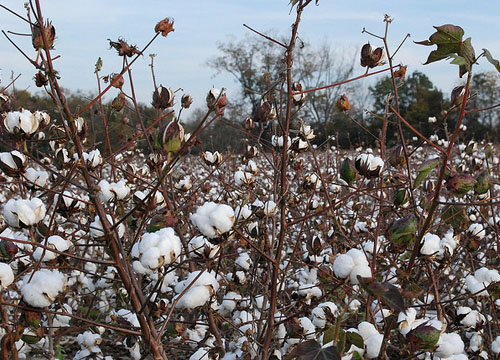
Cultivated Cotton Genome Sequenced
The sequencing of the Gossypium arboreum genome facilitates the identification of genes for the improvement of cotton agriculture.

Information Deficits In India’s Higher Education
To improve the quality of education in India, higher education institutions should submit information to the authorities, says Prof. Pushkar of BITS Pilani.

Hotter Nights May Cause Rice Yield To Fall
As night temperatures cross the 23 degrees Celsius threshold, scientists call for the development of temperature-resistant rice varieties.

Training The Immune System To Target Brain Cancer
By exploiting the fact that many brain tumors harbor cytomegalovirus, scientists have used the patient's immune system to target brain cancer.

Leprosy Staging Comeback In Myanmar
Since meeting an interim target on leprosy in 2003, elimination efforts in Myanmar have taken a back seat to other infectious diseases.
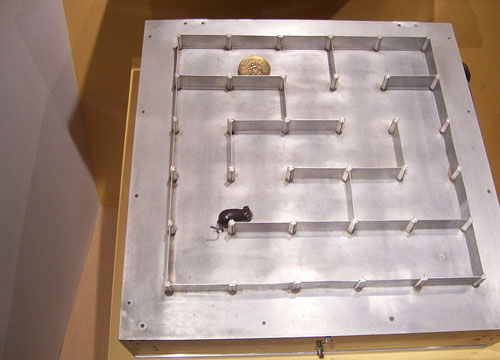
Oops! The Brain Signature Of A Mistake
Using transgenic mice, scientists have captured gamma oscillations in the brain that fire when a mistake is first realized.

Bake Your Own Droplet Lens
Turn your smartphone into a microscope that has 160 times magnifying power with a cheap, do-it-yourself lens.

Bionic Ear Delivers Gene Therapy
Scientists have designed a cochlear implant that not only improves hearing, but could also deliver genes to enhance long term hearing quality.
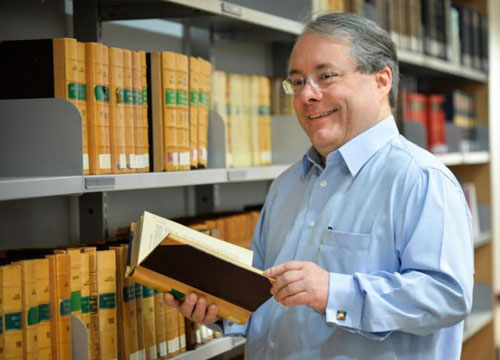
Improving The Practice Of Intellectual Property Law
SMU Professor David Llewelyn contributes to the development of intellectual property law and practices around the world, and advises businesses on how to protect and commercialise their ideas in a competitive global market.