


The Asian Scientist 100
Long Ran
Institution
University of Science and Technology of China
Country
China
Field
Chemistry
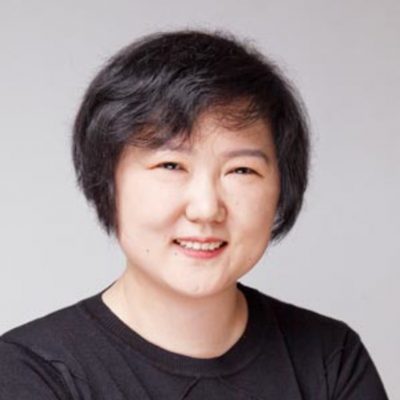
Long won the 2017 L’Oréal UNESCO For Women in Science International Rising Talent award for her research on photocatalysts for carbon dioxide reduction.
(Photo: L’oréal Foundation)
AWARDS
- 2017 LOréal-UNESCO For Women in Science International Rising Talent Award
Related articles

Dairy In Asian Diets Could Reduce Stroke
Taiwanese who took three to seven servings of dairy products a week were no fatter than those who did not and experienced benefits such as a lower risk of stroke.

Using Zebrafish To Study Human Respiratory Diseases
Scientists have discovered genes in zebrafish which may be synonymous with the genes for developing hair-like structures in the human airway.

Exploit Urinals For Cheap Fertilizer, Says Indian Inventor
Recovering nutrients from urine before it is mixed into wastewater could be a cheap and effective way to produce fertilizer.

Bottom-Up For Self-Assembled Graphene Ribbons
By exploiting the properties of copper, scientists have developed a way to produce defect-free graphene nanoribbons in a specific configuration.

India Caught Between Business And Activists Over GM Crops
Public opposition to GM trials is fueling government indecision, stranding India’s food research in the lab, writes Ranjit Devraj.
Microbes Evolve Faster Than Oceans Can Disperse Them
A genomic study of marine bacteria reveals how localized biogeographic patterns form in the open oceans.

China’s Worrying Diabetes Epidemic
Studies show that one in four diabetics worldwide reside in China and half the population is prediabetic, a grave situation that urgently needs to be addressed.
The Last Piece Of The Supernova Puzzle: A Lurking Blue Companion
With the discovery of a companion blue star, scientists have a better understanding of how supernovas form.
Three New Bacteria For PCB Decontamination
Scientists have identified the genes which allow Dehalococcoides bacteria to break down toxic chlorinated organic compounds.