


The Asian Scientist 100
Long Ran
Institution
University of Science and Technology of China
Country
China
Field
Chemistry
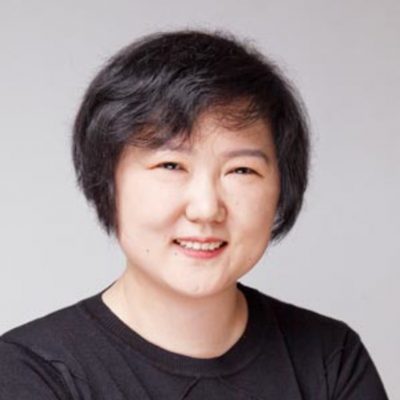
Long won the 2017 L’Oréal UNESCO For Women in Science International Rising Talent award for her research on photocatalysts for carbon dioxide reduction.
(Photo: L’oréal Foundation)
AWARDS
- 2017 LOréal-UNESCO For Women in Science International Rising Talent Award
Related articles
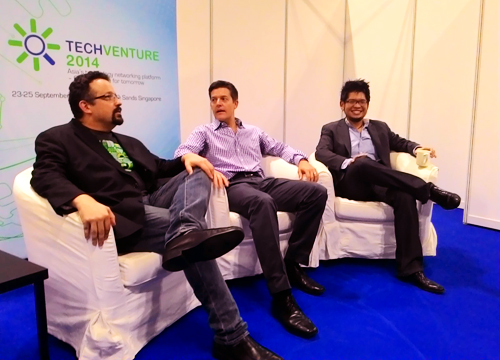
How To Become A Billionaire Innovator
Don't be afraid to fail; rather, be willing to take risks, say three giants of the tech world, in a candid discussion about the ins and outs of innovation.

The Asian Scientist Spotlight: 2012 Nobel Laureate Dr. Shinya Yamanaka
During a recent visit to Singapore, Dr. Shinya Yamanaka candidly discussed his early career, what inspires him, and the challenges he faced leading up to the 2012 Nobel Prize.
Steady Progress For Asian Universities In 2014 THE Rankings
US and UK universities still dominate the top 10 of the Times Higher Education rankings, but Asian institutions continue to make significant gains.
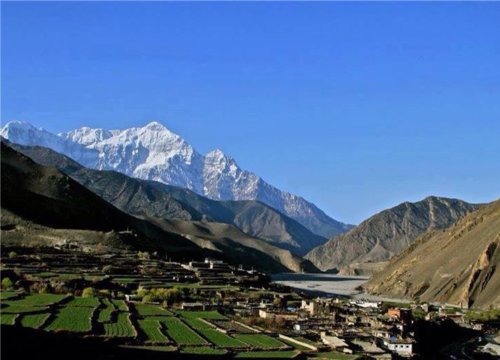
Mosquito-Borne Diseases: Lessons From Nepal
Research on dengue and malaria in Nepal could have implications for other mountainous regions affected by climate change.
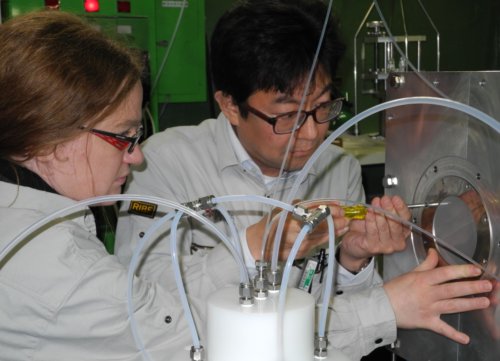
World’s First Superheavy Carbon Compounds Synthesized
The synthesis of seaborgium hexacarbonyl could help superheavy elements find in their place in the periodic table.

Smartgels Are Thicker Than Water
By using microfluidics, scientists have been able to halve the amount of chemicals needed to turn liquids into gels.

New Route From Shoot To Root In Legumes
Scientists have uncovered how legumes transport cytokinins from the shoots to the roots to balance between nodulation and growth.

Indian Teenager Wins Google Science Fair’s Voters Choice Award
India's Arsh Dilbagi has won the popular vote for his augmentative and alternative communication device, Talk.

First Drug For Dementia With Lewy Bodies Approved
Eisai's Aricept® is the world's first treatment indicated for both Alzheimer's and dementia with Lewy bodies.