


The Asian Scientist 100
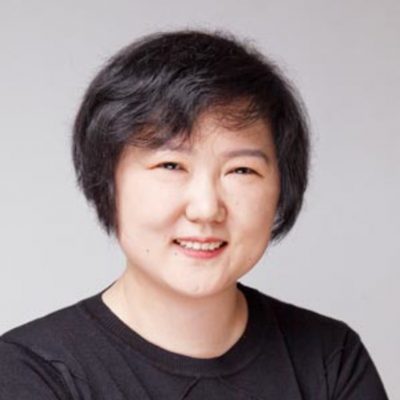
Long Ran
Institution
University of Science and Technology of China
Country
China
Field
Chemistry
Long won the 2017 L’Oréal UNESCO For Women in Science International Rising Talent award for her research on photocatalysts for carbon dioxide reduction.
(Photo: L’oréal Foundation)
AWARDS
- 2017 LOréal-UNESCO For Women in Science International Rising Talent Award
Related articles
Achieving A Zero Carbon Future (VIDEO)
Decarbonizing businesses is no small feat, but Unravel Carbon’s co-founder and CEO Grace Sai is up for the task, kicking off the net zero initiative in the Asia-Pacific region.

Asia’s Rising Scientist: Cheong Sok Ching
Professor Cheong Sok Ching is championing the battle against cancers that disproportionately affect Asians, and leading drug development research in Malaysia.

Combating Antimicrobial Resistance With Rapid Diagnostic Solutions
When time is of the essence, bioMérieux’s BioFire® technology and its robust multiplex PCR panels ensure quick and actionable diagnostic results to support clinicians and physicians in identifying infectious diseases.

Stress Might Be Making Your Jaw Pop
Stress linked TMJ disorders are rising but there seem to be little awareness about the condition in the medical community.

Asia’s HPC Scorecard
Emerging from the global pandemic, the vitality and dynamism of AsiaPacific’s supercomputing sector is almost palpable. From climate modeling to precision medicine, the frontiers of human knowledge are constantly being challenged—and this pursuit is not looking like it’s losing momentum any time soon.

Is Your Online Therapy Safe?
Online mental health services in Malaysia have boomed since the pandemic, but guidelines concerning patient security and data privacy need to be monitored.

Language Models Running Wild
Language modeling is the task of predicting text and one of the hottest trends in AI right now. But it has deep flaws, quoting racism, sexism, misinformation and more—making substantial monitoring key to developing language models.

Web Of Lies
False, misleading and potentially harmful content can spread fast on social media, enabled by algorithms that thrive on engagement. Can big tech platforms cut through the noise?

How NFTs Are Changing The Art World
As the sale of non-fungible tokens (NFTs) proliferates in Asia, an ecosystem of organizations, tech developers, artists and curators try to ensure the space remains responsible, safe and inclusive.