


The Asian Scientist 100
Long Ran

Institution
University of Science and Technology of China
Country
China
Field
Chemistry
Long won the 2017 L’Oréal UNESCO For Women in Science International Rising Talent award for her research on photocatalysts for carbon dioxide reduction.
(Photo: L’oréal Foundation)
AWARDS
- 2017 LOréal-UNESCO For Women in Science International Rising Talent Award
Related articles

Grains Of Hope
Rice farmers are struggling to meet Asia’s demand for the staple crop; a genetically modified strain developed in Singapore could provide a solution.

Artificial Empathy: The Next Frontier
Artificial Intelligence is getting pretty smart—but could it ever truly understand how we really feel?

Illuminating The Deep, Dark World Of Subterranean Ants
Hidden in plain sight just beneath our feet is the fascinating world of subterranean ants.

Blue Noise
The effects of noise pollution in the ocean may not be immediately obvious but they could nonetheless be profound.

The Red Tides Of Death: A Deadly Tale Of Harmful Algal Blooms
As beautiful as they may be, dinoflagellates and diatoms can sometimes wreak havoc.
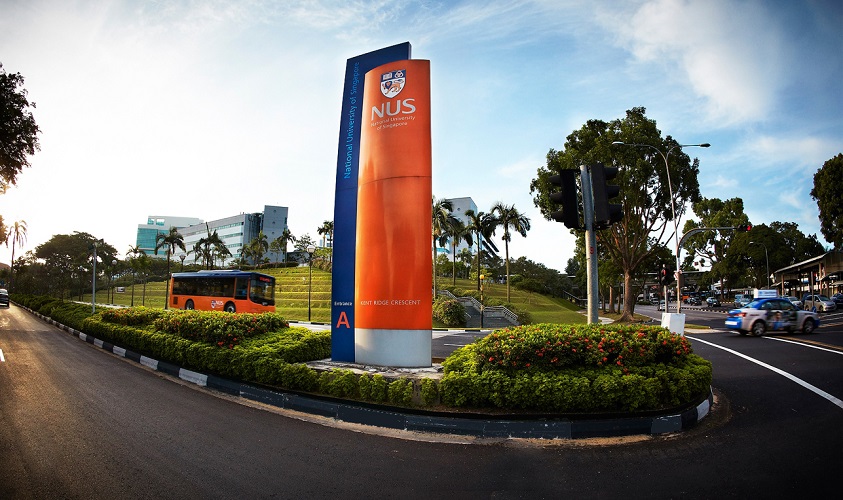
NUS Tops Inaugural THE Asia-Pacific University Rankings
The National University of Singapore was ranked first among 243 universities in the Asia-Pacific region in the inaugural Times Higher Education Asia-Pacific University Rankings.

Opportunities ARISE With AI
With artificial intelligence poised to transform virtually every industry, what does the future hold?

Mimicking The Swirling Of Plasma Across The Cosmos
High-intensity lasers have helped researchers recreate turbulent flows of plasma seen at a planetary scale in the lab.

Making Memories With Mitochondrial Flashes
Mitochondrial flashes in the brain help convert short-term memories into long-term ones.