


The Asian Scientist 100
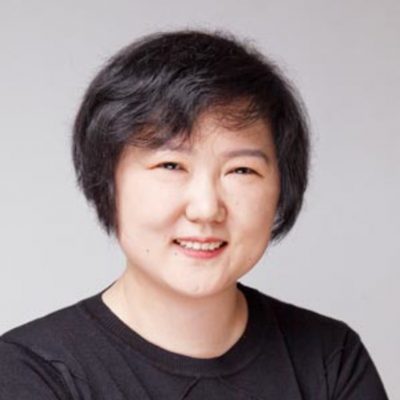
Long Ran
Institution
University of Science and Technology of China
Country
China
Field
Chemistry
Long won the 2017 L’Oréal UNESCO For Women in Science International Rising Talent award for her research on photocatalysts for carbon dioxide reduction.
(Photo: L’oréal Foundation)
AWARDS
- 2017 LOréal-UNESCO For Women in Science International Rising Talent Award
Related articles

Gene Mutation Causes Hereditary Parkinson’s Disease
Scientists in Japan have used a fruit fly model to demonstrate that a mutation in the DNAJC3 gene is responsible for the death of dopaminergic neurons in Parkinson's disease.
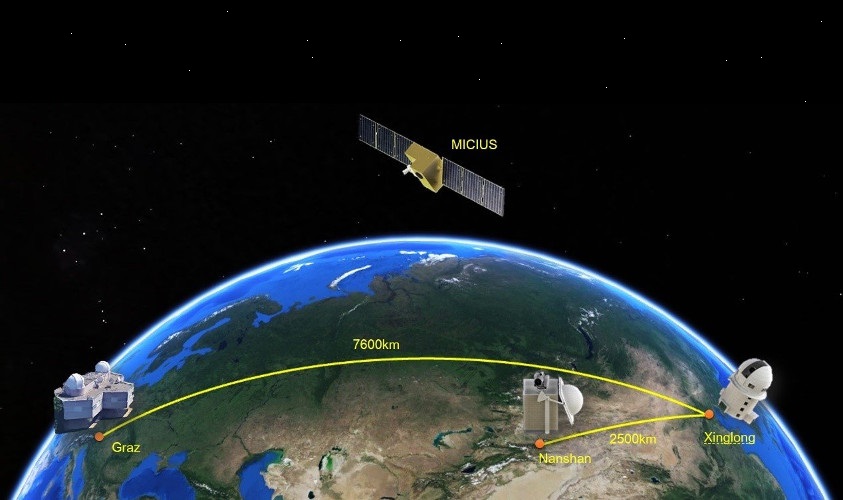
Quantum Communication Goes Intercontinental
Combining the Micius satellite’s capabilities with metropolitan quantum networks, Chinese scientists have securely transmitted images and video between China and Austria.

A Glue That’s Sticky Even Under Water
A team of Korean researchers have developed adhesives that allow for reversible binding when wet.
An Energy-Efficient Chip For Tiny Vision Systems
This novel video feature extractor uses 20 times less power than existing chips and could reduce the size of untethered vision systems down to the millimeter range.

AYOXXA Launches LUNARIS™ Protein Analysis System In Asia
Combining the advantages of a bead-based multiplexing approach, the reliability and scalability of plate-based formats and the simplicity of image-based analysis, the LUNARIS™ Protein Analysis System enables researchers to maximize their insights from precious biological samples.

Singapore’s Next Lap: Interview With A*STAR’s Dr Benjamin Seet
Precision medicine and digital healthcare are likely to be emphasized in the upcoming R&D budget, says Dr. Benjamin Seet, executive director of the A*STAR Biomedical Research Council.

New Kids On The Block(chain)
After years spent in the shadow of cryptocurrencies, blockchain technology is finally coming into its own.

HUBO To The Rescue
Grace Chua speaks to Professor Oh Jun Ho of KAIST to find out how DRC-HUBO beat 22 other robots to emerge the winner of the 2015 DARPA robotics challenge.

What Humanoids Can Teach Us About Being Human
Why design a robot version of yourself? Asian Scientist Magazine picks the brain of world-leading robotics scientist, Professor Hiroshi Ishiguro, to find out.