


The Asian Scientist 100
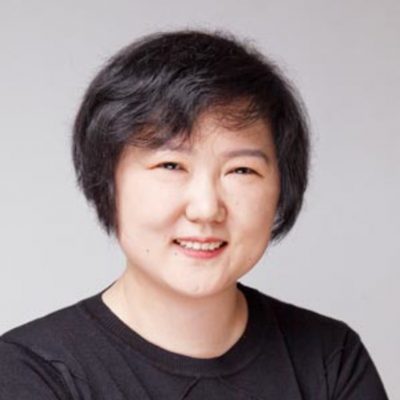
Long Ran
Institution
University of Science and Technology of China
Country
China
Field
Chemistry
Long won the 2017 L’Oréal UNESCO For Women in Science International Rising Talent award for her research on photocatalysts for carbon dioxide reduction.
(Photo: L’oréal Foundation)
AWARDS
- 2017 LOréal-UNESCO For Women in Science International Rising Talent Award
Related articles

How Fussy Pandas Maintain A Balanced Bamboo Diet
A study of six pandas over six years shows that they migrate in order to switch between bamboo species which provide them with different nutrients required for successful breeding.
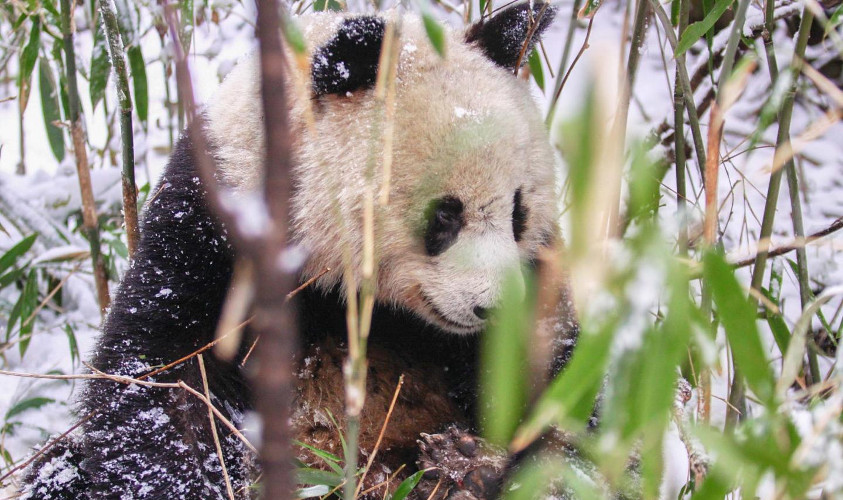
Livestock Wreak Havoc On Panda Habitats
By analyzing 20 years of data from China's Wanglang National Nature Reserve, researchers in China and the US have discovered that livestock are destroying the panda's habitat.

70 Years After Independence, What’s Next For Indonesian Science?
A new book looks at the questions that Indonesian scientists hope to answer by the time their country celebrates its centennial in 30 years.

Can Innovation Solve Asia’s Most Pressing Challenges?
Asia's emerging economies face serious infrastructural challenges, among others. What role does innovation play in addressing these issues?
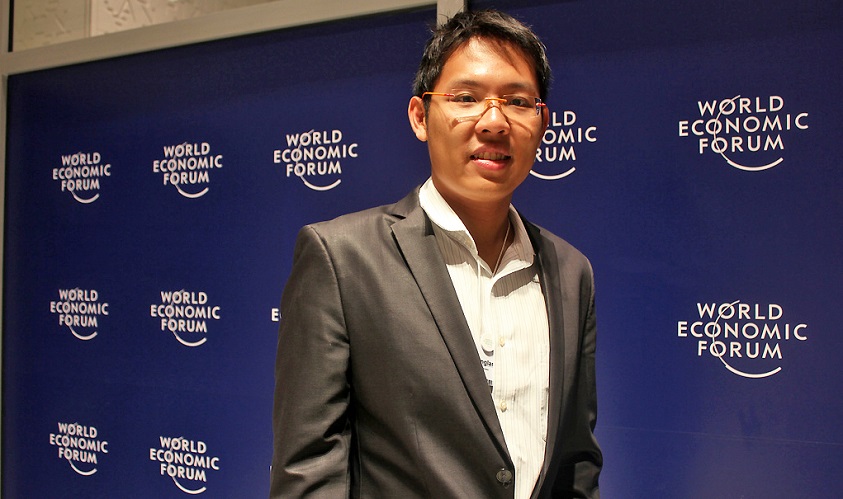
Putting His Insignia On The Southeast Asian Tech Startup Scene
An exclusive interview with Tan Yinglan, founding managing partner of Insignia Ventures Partners and ex-Sequoia venture capitalist, on closing his most recent US$120 million funding round.

Epigenetics Explains Why Some Ants Prefer Diet Soda
Scientists in Japan have discovered that genetically identical ants vary in their threshold for sweetness, with implications on colony survival.
Why Asians Are More Susceptible To Severe Dengue
Genetics makes Asians susceptible to dengue shock syndrome, according to a study by an international team of scientists.

Asia’s Scientific Trailblazers: Michael Lai Ming-Chiao
A pioneer in coronavirus research, Michael Lai Ming-Chiao shares how a detour in his academic journey brought him to the battlefront of the SARS outbreak.

Asia’s Scientific Trailblazers: Professor Ng Huck Hui
What makes a stem cell a stem cell? Executive Director of the Genome Institute of Singapore Professor Ng Huck Hui takes a technology-driven approach to find out.