


The Asian Scientist 100
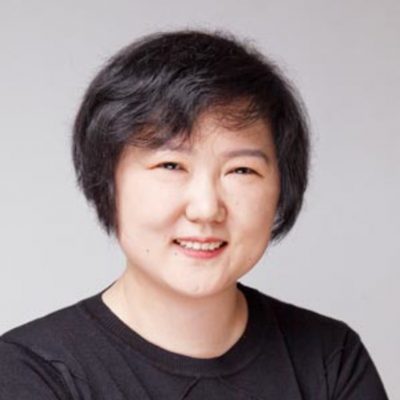
Long Ran
Institution
University of Science and Technology of China
Country
China
Field
Chemistry
Long won the 2017 L’Oréal UNESCO For Women in Science International Rising Talent award for her research on photocatalysts for carbon dioxide reduction.
(Photo: L’oréal Foundation)
AWARDS
- 2017 LOréal-UNESCO For Women in Science International Rising Talent Award
Related articles

Would You Sell Your Genome On A Blockchain?
What can you do with your genomic data? One company wants to let you monetize it via blockchain.

Road Trip Realities
Road tripping humans, rejoice. You’re still in the driver’s seat—for now.

Get That Grant
Grants are the lifeblood of scientific research; here three successful scientists share some tips and tricks for securing your next grant.

The Universal Scientist Experience
No matter what your field of research is, the things that scientists go through for the sake of science can be surprisingly similar!

How To Leave Academia
Ready to hang up your lab coat but not sure how to walk away? Here's some advice to get you started.
The Ultimate List Of Why Scientists Love Science
In spite of the many moments of misery in your scientific life, there will be plenty of opportunities to also say “YAY.” Let us count the ways...

What Is A Scientist?
Are engineers considered scientists? What about lab technicians, archaeologists and art historians? The answer isn’t always obvious...

A Scientist’s Ultimate Wish List
Ever found yourself in the lab wishing you had an extra pair of arms or a lab cupboard that magically replenishes the chemicals you need? You’re not the only one!