


The Asian Scientist 100
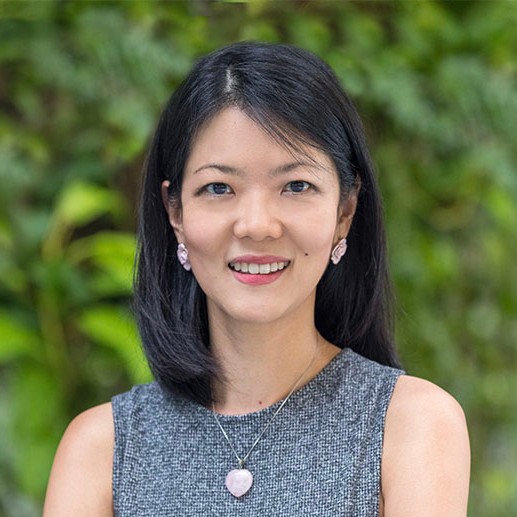
Lisa Ng
Institution
A*STAR Infectious Diseases Labs and A*STAR Biomedical Research Council
Country
Singapore
Field
Biomedical Sciences
Ng won the President’s Science Award 2025 for her pioneering contributions to viral infection immunology and advancing global pandemic management through groundbreaking research on arboviruses, particularly Chikungunya.
AWARDS
- President’s Science Award 2025
Related articles

Unravelling Terror’s Anti-Social Networks
They may be a lot more clandestine, but terrorist organisations are social networks too, said SMU Assistant Professor Michael Genkin.

Spinning Pee To Detect Cancer
Researchers in South Korea have developed a fast and simple method to detect cancer biomarkers from bodily fluids like blood or urine.

Repurposed Drug Straightens Out Chikugunya
Researchers from Singapore have shown that an existing immune suppressing drug can be used to treat debilitating joint pain caused by the mosquito-borne virus.
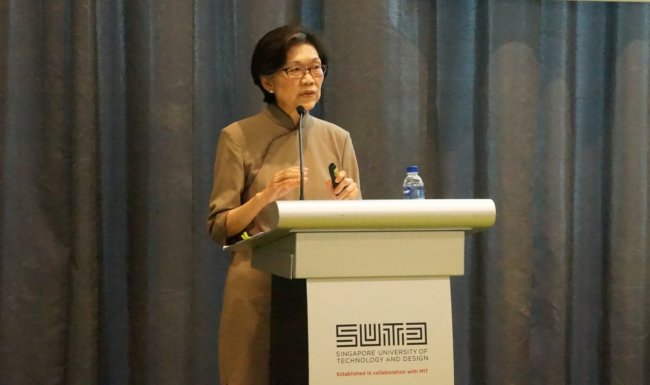
The Future Is What We Make It, Says Professor Chan Heng Chee
From urbanisation to ageing, Singapore ambassador-at-large Professor Chan Heng Chee outlined five megatrends that young scientists will have to contend with as 2030 approaches, during a lunchtime talk at the Global Young Scientists Summit 2017.
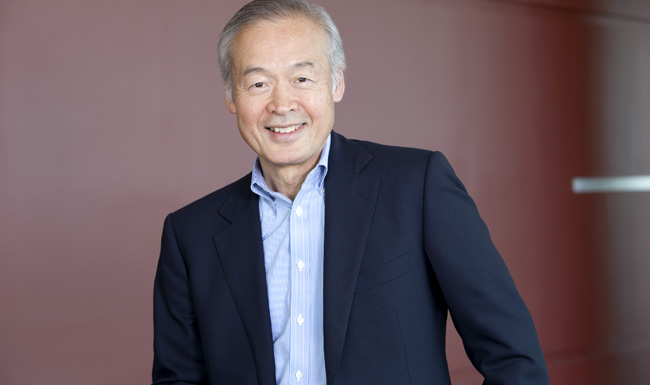
Tadataka Yamada Made Honorary Citizen Of Singapore
Dr. Tadataka Yamada was recognized for his contributions to Singapore’s biomedical sciences sector and for catalyzing scientific innovations in drug discovery.

Plastic Waste Problem? Turn It Into Fuel
To combat ever-worrying plastic pollution, scientists in China and the US have developed a degradation method to convert plastics into useful fuels and chemical feedstocks.
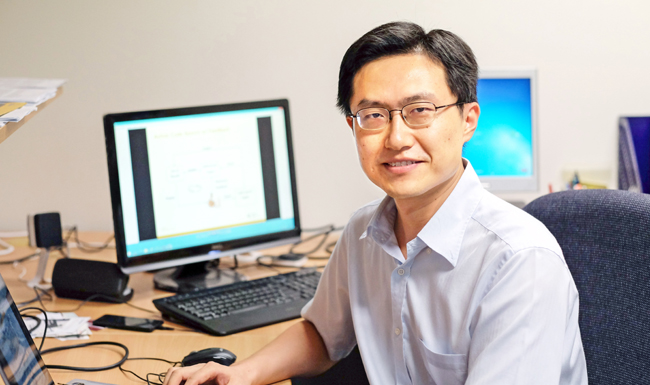
Building a Programmer’s Toolbox
SMU Assistant Professor Jiang Lingxiao is on a mission to improve software coding by developing tools to support high quality, error-free code.
Genetic Database Makes Finding Organ Donors Easier
A database of the different human leukocytes antigen genes in the Indian population could make it easier for those seeking organ transplants to find a match.

Asia’s Legal Tiger
The growing globalisation of Singapore’s legal profession presents both opportunities and challenges, says SMU Associate Professor Goh Yihan.