


The Asian Scientist 100
Lan Wang

Institution
Hong Kong University of Science and Technology
Country
Hong Kong
Field
Biomedical Sciences
Wang is a recipient of the 2023 Croucher Tak Wah Mak Innovation Award for her research investigating mechanisms in the mitochondria that regulate protein translation.
AWARDS
- 2023 Croucher Tak Wah Mak Innovation Award
Related articles

25 Singaporean Scientists Honored In Commemorative Book
Singapore's Scientific Pioneers tells the individual stories of Singapore’s collective efforts in science and technology.

Heart Mesh Keeps Beats In Sync (VIDEO)
A step up from traditional pacemakers, this mesh wraps around the heart, synchronizing heartbeats by delivering electrical impulses to the entire organ.

Meet China’s First Biotech Unicorn
Why did Wang Jun, CEO of one of the world’s largest DNA sequencing companies, leave to join an artificial intelligence startup? Simple: to start something even more ambitious.

Nanofilter Uses Less Energy To Purify Wastewater
The nanofilter, which combines two of the final steps in the wastewater treatment process, could reduce the energy needed by up to five times.

Artificial Sweeteners’ Not-So-Sweet Effect? They Can Make You Eat More
Bad news, Coke Zero lovers. In a recent study, artificially-sweetened foods were found to make animals feel hungry and eat more calories.

World’s Largest Single-Aperture Radio Telescope Opens Its Eye
The Five-hundred-meter Aperture Spherical Telescope in Guizhou, China will start operating in two to three months' time.

Going To ‘Wars’ In Blood Vessels
The gene Wars2 plays a central role in the formation of blood vessels, and could be a possible new drug target for treating cancer and heart disease.

Ultra-Thin Solar Cells That Can Wrap Around A Pencil
Researchers have developed ultra-thin solar cells that are much thinner than a human hair and can potentially be used in wearable technology.
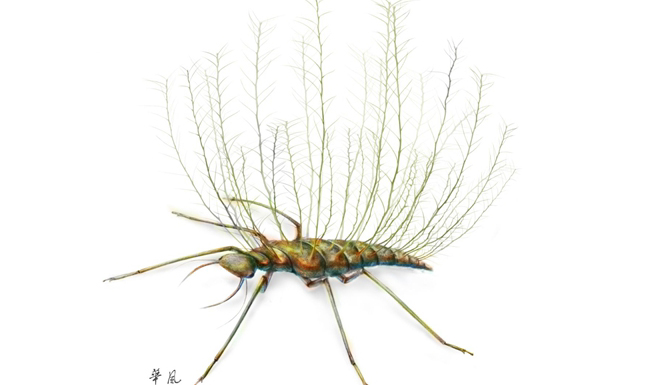
Insect Camouflage Behavior Dates Back To The Cretaceous
Fossils of green lacewings and other insects dating back to the mid-Cretaceous show how they evolved to carry debris as camouflage.