The Asian Scientist 100
Institution
Shiok Meats
Country
Singapore
Field
Sustainability
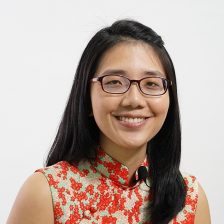
Ling and Sriram were co-recipients of the Nikkei Asia Award for their work developing stem-cell based alternative seafood with their company Shiok Meats. Founded in 2018, the company also addresses overfishing and environmental damage caused by fish farm construction. Formerly scientists at Singapore’s Agency for Science, Technology and Research, both Sriram and Ling hope to use their technology to offer sustainable, environment-friendly, cruelty-free healthy food to people all over the world. So far, the team has been able to raise about S$30 million in investments from across Asia. The company hopes to scale up and reduce the cost of its products to provide accessible alternative meat.
(Photo: Shiok Meats)
- Nikkei Asia Award

Finding The Right Spot For Hindlimbs

Tracing The Apple’s Journey Along The Silk Road

One Step Closer To A One-Time, Universal Influenza Vaccine

Highly Efficient CRISPR Knock-In Developed

Embryo Editing Paper Stirs Scientific Controversy

Thermo Fisher Licenses ToolGen’s Gene Editing IP
The Unassuming Revolutionary

Nanofiber Matrix Improves Stem Cell Growth