


The Asian Scientist 100
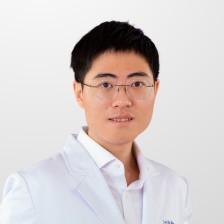
Hei Ming Lai
Institution
The Chinese University of Hong Kong
Country
Hong Kong
Field
Biomedical Sciences
Lai won the 2024 Croucher Tak Wah Mak Innovation Award for leading research in creating a 3D spatial multi-omics platform for clinical diagnostics and spatial biology research.
(Photo: The Chinese University of Hong Kong)
AWARDS
- 2024 Croucher Tak Wah Mak Innovation Award
Related articles
Tiny Thermometer Measures Minute Fluctuations
A research team in Japan has developed a thermometer that can measure rapid changes in temperature at the nanoscale.

New Lab, New Start
Switching labs can be scary, but the right mindset can help you embrace the change.

Preserving The Genetic Diversity Of Sumatran Rhinos
Genetic studies suggest that breeding centers and a cell bank are necessary to preserve the genetic diversity of critically endangered Sumatran rhinos.

Cracking The Mystery Of Fossil-Preserving Rocks
Rather than forming over millions of years, spherical rock formations known as concretions can form in just a matter of months, researchers say.
Shedding Light On Bubbly Graphene
Scientists at the Institute of Basic Science in South Korea have used a single laser beam to probe the behavior of graphene bubbles.

Closing The Gender Gap
With its forward-thinking work culture and supportive business community, Singapore is now a place where women entrepreneurs can thrive, said three founders.

From Postdoc To Professor
The rewards of tenure are great, but they require patience and perseverance.

F1 Race Data Sheds Light On Social Conflict
By analyzing data from F1 races, an international research group has demonstrated that conflict is more likely to occur between rivals of similar social status.

Climate Change Might Bring More Rains To Indonesia
Small changes to individual plants such as the closing of their stomata can have an impact on global rainfall patterns, scientists say.