


The Asian Scientist 100
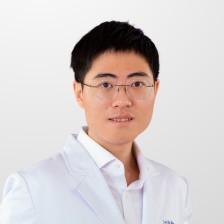
Hei Ming Lai
Institution
The Chinese University of Hong Kong
Country
Hong Kong
Field
Biomedical Sciences
Lai won the 2024 Croucher Tak Wah Mak Innovation Award for leading research in creating a 3D spatial multi-omics platform for clinical diagnostics and spatial biology research.
(Photo: The Chinese University of Hong Kong)
AWARDS
- 2024 Croucher Tak Wah Mak Innovation Award
Related articles

Microfluidic Fabrication Made Simple
Scientists in Singapore have used fluoropolymers to create microfluidic devices that do not swell upon exposure to organic solvents.
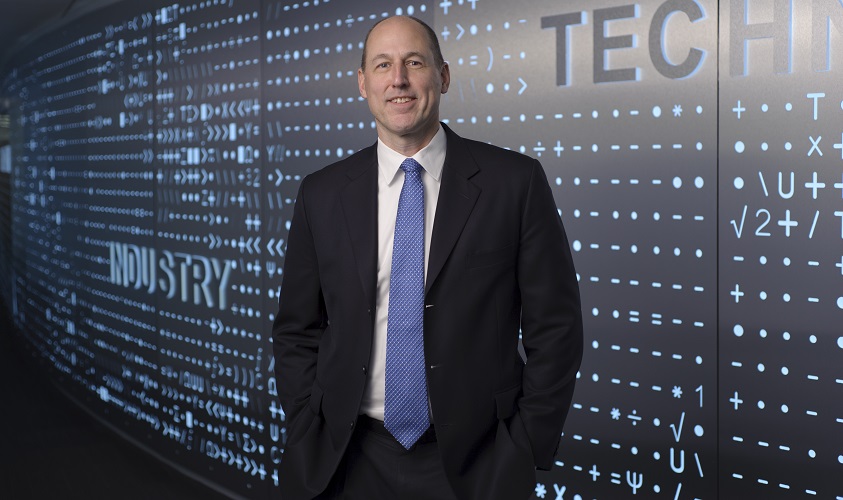
Asia’s Scientific Trailblazers: Eugene Fitzgerald
Newly-appointed CEO of the Singapore-MIT Alliance for Research and Technology Professor Eugene Fitzgerald lists his priorities for the R&D center.
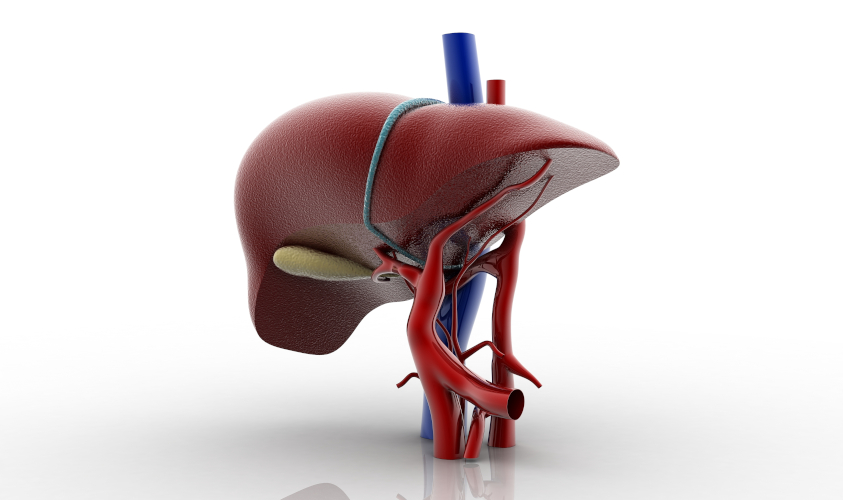
Teasing Out The Three Subtypes Of Liver Cancer
By combining genomic data with information about patients’ immunological status, scientists in Japan can now better characterize hepatocellular carcinoma.

Asia’s Scientific Trailblazers: Hiroshi Iwasaki
Professor Hiroshi Iwasaki, who first fell in love with molecular biology in the ‘classical’ era of Watson and Crick, believes that scientists should now embrace the technical revolution to advance the field.
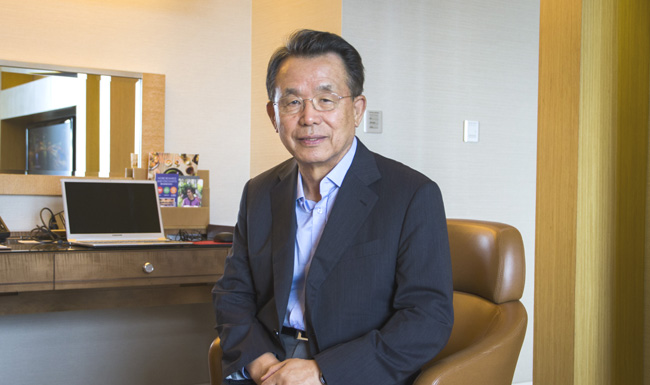
Asia’s Scientific Trailblazers: Han Seung Soo
Han Seung Soo, the UN special envoy for disaster risk reduction and water, seeks to create greater awareness water-related disasters.

NVIDIA Bolsters Singapore’s AI Ambitions
Singapore gets an AI boost with the launch of the Future Talents Program and AI.Platform@NSCC.

Riding The HPC Wave
Supercomputers are useful in practically every stage of the oil production process. Here are five ways they play a role in the oil and gas industry.

Supercomputers Take To The Sea
The advent of powerful supercomputers represents a sea change for computational fluid dynamics, a field which is helping scientists and engineers demystify the inner workings of the ocean.
Computing In The Cosmos
Supercomputing Asia talks to Hewlett Packard Enterprise’s Dr. Goh Eng Lim about the company’s supercomputer that is boldly going where no supercomputer has gone before.