The Asian Scientist 100
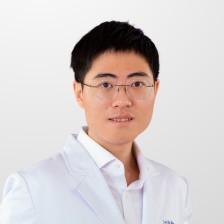
Hei Ming Lai
Institution
The Chinese University of Hong Kong
Country
Hong Kong
Field
Biomedical Sciences
Lai won the 2024 Croucher Tak Wah Mak Innovation Award for leading research in creating a 3D spatial multi-omics platform for clinical diagnostics and spatial biology research.
(Photo: The Chinese University of Hong Kong)
AWARDS
- 2024 Croucher Tak Wah Mak Innovation Award
Related articles
Building A Better Battery
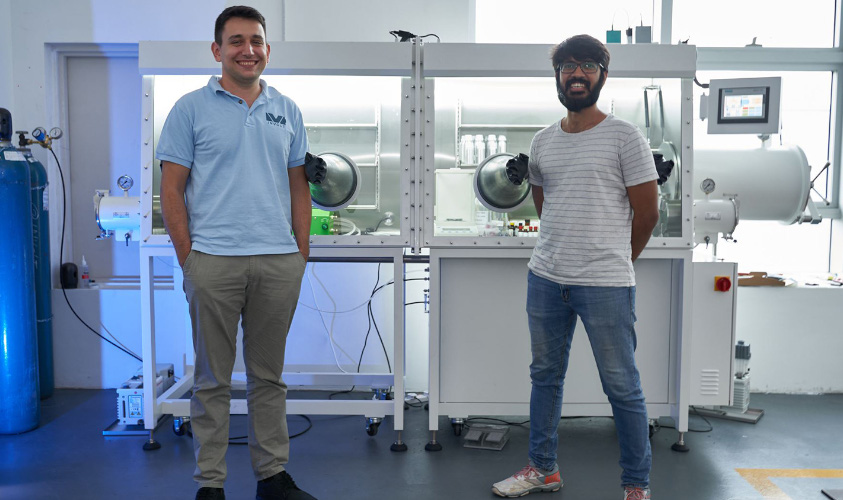
Next-generation batteries will power the future of renewable energy, say the founders of Singapore-based ultracapacitor startup Involt.

When David and Goliath Work Together
Delegates at the invitation-only AI roundtable organised by SGInnovate and ADB-DutchCham discussed strategies to encourage corporate-startup collaborations in the field of AI.

Scientists Find Gene Set Linked To Coral Bleaching
Warmer waters induce changes in the expression of 292 genes in the symbiotic sea anemone Exaiptasia diaphana, with implications for coral bleaching.

Nanoparticles To Convert Carbon Dioxide Into Fuel
Gold nanoparticles that use solar energy to convert carbon dioxide into methane could help limit the effects of climate change, say scientists in India.

One-Bead-One-Compound Strategy For Antibiotic Discovery
Researchers in Japan are combating the scourge of drug-resistant microbes by screening synthetic variants of a naturally-occurring antibiotic.

Scientists Find Two New Species Of Tweezer-Beaked Hopping Rats
After failing to bait the rodents with peanut butter, scientists in the Philippines and the US switched to using earthworms to finally discover two new species of rats living in the mountains of the Philippines.

Ctrl-Alt-Meat
Alternative meat, otherwise known as ‘alt-meat,’ is having quite a moment in Asia, with strong venture capital interest and increasing public awareness and acceptance.
Tech Doing Good
From cleaning up mountains of untreated sludge to making railway stations fully solar-powered, technology is an ally to those hoping to solve Asia’s environmental problems.