


The Asian Scientist 100
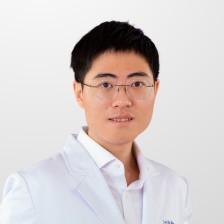
Hei Ming Lai
Institution
The Chinese University of Hong Kong
Country
Hong Kong
Field
Biomedical Sciences
Lai won the 2024 Croucher Tak Wah Mak Innovation Award for leading research in creating a 3D spatial multi-omics platform for clinical diagnostics and spatial biology research.
(Photo: The Chinese University of Hong Kong)
AWARDS
- 2024 Croucher Tak Wah Mak Innovation Award
Related articles

The (Software) Bug Doctor
SMU Associate Professor David Lo has developed automated solutions to help software developers efficiently detect and repair defects in their code.

Oldest Fossil Forest In Asia Discovered In China
Excavators carrying out works at a quarry in China's Anhui province serendipitously uncovered the oldest fossil forest in Asia.
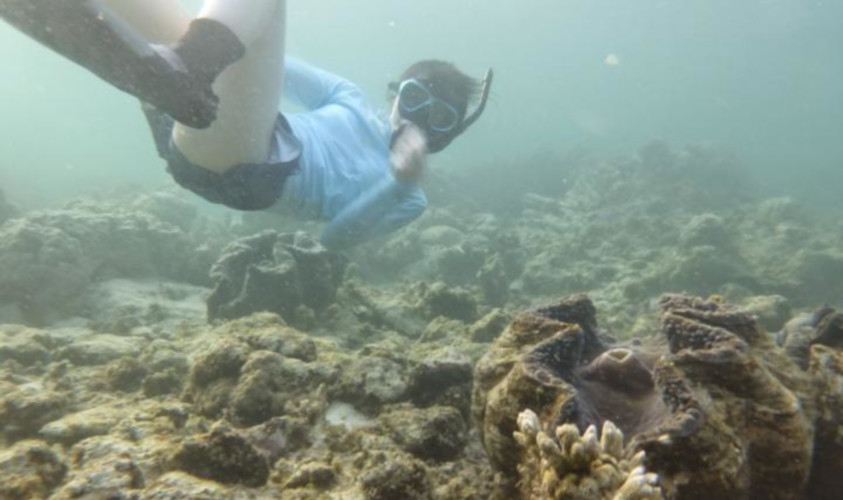
Giant Clams’ Poop Hosts Symbiotic Algae
Fecal pellets from adult giant clams are home to photosynthetic algae that play important roles in the nutrition of coral reefs, scientists find.
Deciding How Much To Disclose
Corporate executives weigh benefits against costs when deciding how much to reveal about their companies, says SMU Professor Zhang Liandong.

Mindfulness Can Help Middle Managers Avoid Burnout, Study Says
New research suggests that mindfulness training programs can be particularly valuable for the well-being of middle managers.

The Promise And Limitation Of Blockchain
Companies have been searching for ways to solve practical problems using blockchain technology, but there is not yet a one-size-fits-all solution, said a panel of experts at SMU.

‘Iceberg Effect’ Slows Down Global Warming Down South
Using computer simulations of climate change, scientists in South Korea and the US have found that icebergs may be key to slowing down warming of the Southern hemisphere.

Growing The Economist’s Toolkit
By quantifying economic phenomena, econometrics gives researchers the tools to glean practical insights from theoretical models, says SMU Assistant Professor Zhang Yichong.

Engineering Microbes For Urban Farming
By defining biological components involved in chemical synthesis as standard DNA cassettes for bacteria, scientists in Singapore hope to give urban farming a boost.