


The Asian Scientist 100
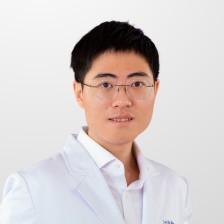
Hei Ming Lai
Institution
The Chinese University of Hong Kong
Country
Hong Kong
Field
Biomedical Sciences
Lai won the 2024 Croucher Tak Wah Mak Innovation Award for leading research in creating a 3D spatial multi-omics platform for clinical diagnostics and spatial biology research.
(Photo: The Chinese University of Hong Kong)
AWARDS
- 2024 Croucher Tak Wah Mak Innovation Award
Related articles

Clean Water Cheaply & Safely
Scientists have developed a cost-effective water disinfection device that can run safely on low-input voltage batteries.

Gene Editing Does Not Introduce New Mutations
A study shows that gene editing technology, which could help treat genetic diseases, does not introduce new mutations to cells.

Amyloid Fibrils: The Link Between HIV & Alzheimer’s
Scientists have found that the protein fibrils which enhance the infective ability of HIV are toxic to neuronal cells even when disaggregated.

Exercise Is The Best Medicine
Postmenopausal women should do moderate to high intensity exercise five times a week to enjoy better physical and mental function, study says.

Asian Migrants’ Changing Diets
An analysis of New Zealand's 2008/09 Adult National Nutrition survey has shown that Asian migrants are more likely to adopt Western diets the longer they live abroad.

Tropical Fish Migration Destroying Kelp & Seagrass
Climate change-driven overgrazing of kelp and seagrass in Japanese waters has already led to the collapse of abalone fisheries.

Helping Manganese Split Water Efficiently
Scientists have successfully mimicked photosynthesis, using a manganese-based catalyst to split water at a neutral pH.

James Best Appointed Dean Of NTU’s Medical School
Professor James Best, a pioneering diabetes clinician with 30 years of experience in medical leadership, has been appointed the Dean of the Lee Kong Chian School of Medicine.

Bringing The Bling To Antibacterials
Gold nanoparticles, which are well tolerated by the body and bactericidal in the dark, could be used to prevent biofilms from forming on medical implants, scientists show.