


The Asian Scientist 100
Hailan Hu

Institution
Zhejiang University
Country
China
Field
Biomedical Sciences
Hu was selected as one of the 2022 L’Oréal-UNESCO For Women in Science International Awards for elucidating the biochemical mechanism of depression.
(Photo: L’Oréal For Women in Science)
AWARDS
- L'Oréal-UNESCO For Women in Science International Awards
Related articles

Dengue Epidemic Linked To El Niño Effect
A cross-border epidemiological study on the dengue epidemic in Southeast Asia has linked high temperatures caused by El Niño effect with spikes of dengue cases.

An Invisible Wildlife Trade Uncovered
The illegal trade of flora of Southeast Asia is larger than previously thought, spurring the call for more attention to be paid to this important form of biodiversity.

Monkeys Emerge As Malaria Reservoirs In Malaysia
A rare strain of malaria is beginning to take hold in Malaysia, driven by increasing contact between humans and monkeys.
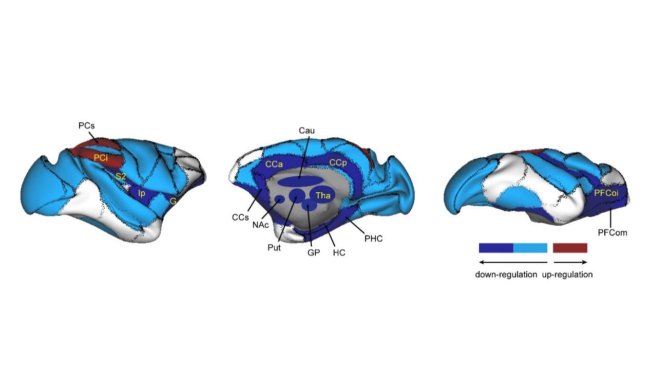
How Ketamine Re-Programs Monkey Brains
Ketamine re-wires the brains of monkeys in a way that could counteract structural changes associated with depression, study says.

Clean Tech Collaboration Center For Asia-Pac Launched
The Asia-Pacific UNFCCC Regional Collaboration Center aims to help developing countries in the region kickstart projects to mitigate climate change.

Conserving Indonesia’s Mangroves Could Mitigate Climate Change
Conserving the effective carbon sinks of mangroves could reduce 10-31 percent of annual land-use emissions in Indonesia, scientists say.

How Unfussy Eaters Are Saving The World
Thanks to its feeding habits, the oriental latrine fly could just play a major role in food and environmental sustainability.

Asian Scientist Writing Prize Winners Announced
A total of 24 winners received their prizes at the inaugural Asian Scientist Writing Prize 2015 held at the Science Centre Singapore.

Novel Gene Mutations Implicated In Bile Duct Cancer Caused By Liver Fluke Infection
Investigators from Singapore and Thailand have discovered new bile duct cancer-associated gene mutations that are caused by a type of parasitic flatworm infection.