


The Asian Scientist 100
Chin Wei Lai

Institution
Universiti Malaya
Country
Malaysia
Field
Sustainability
Lai was one of the winners of Ten Outstanding Young Malaysians Award by the Junior Chamber International Malaysia for his work on using durable photocatalysis technology with nanomaterials to combat global warming and reduce environmental impacts.
(Photo: Shanghai Jiao Tong University)
AWARDS
- Ten Outstanding Young Malaysians Award
Related articles
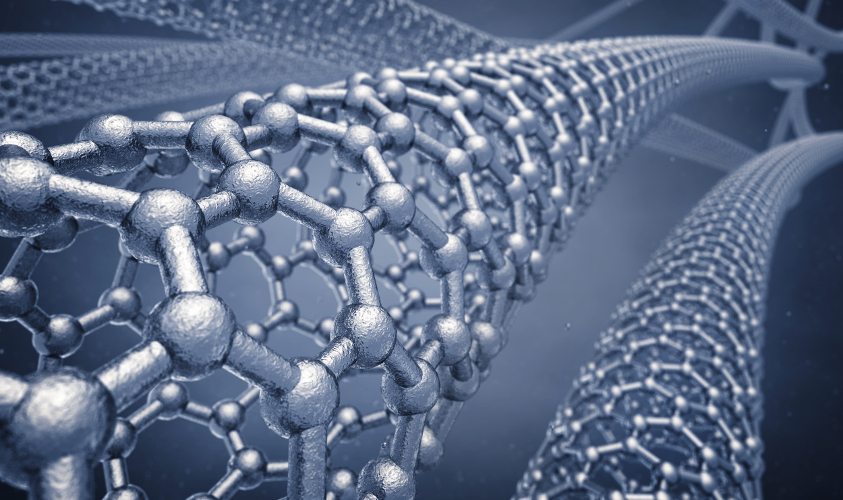
Producing Graphene With 50 Times Less Solvent
A Singapore-based research team has developed a cost-effective technique for the mass production of high-quality graphene.

Eight Seriously Cool (And Weird) Technologies From The Rekimoto Lab (VIDEO)
Here are eight futuristic technologies that have been turned into reality by Professor Jun Rekimoto of the University of Tokyo.

20 Reasons Your PhD Journey Is Really A Pokémon Go Game
Think about it—your PhD supervisor is basically Professor Oak; you chart your experiments in a lab notebook, a.k.a. a Pokédex; and the Nobel laureates you admire are just as elusive as rare Pokémon.

A Day In The Life Of A Scientist
Whether you're a PhD student, postdoc or the boss, your daily routines can be surprisingly similar.

Advice For Young Scientists: Take Care Of Yourself
Believe in yourself and learn how to plan properly; but most of all, don’t forget to take care of yourself, says our columnist Alice.
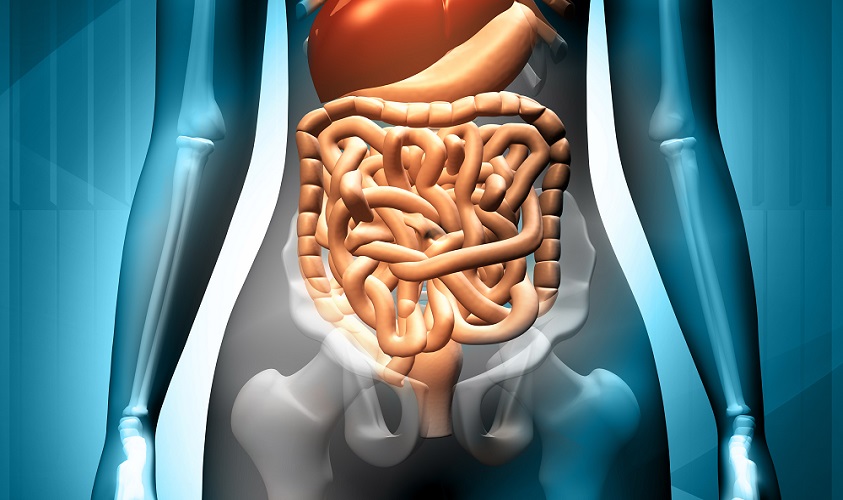
Bacterial Species That Alleviate Diabetes Identified
A research group in China has identified a group of gut microbiota that can alleviate the symptoms of type 2 diabetes in patients consuming a diet high in fiber.
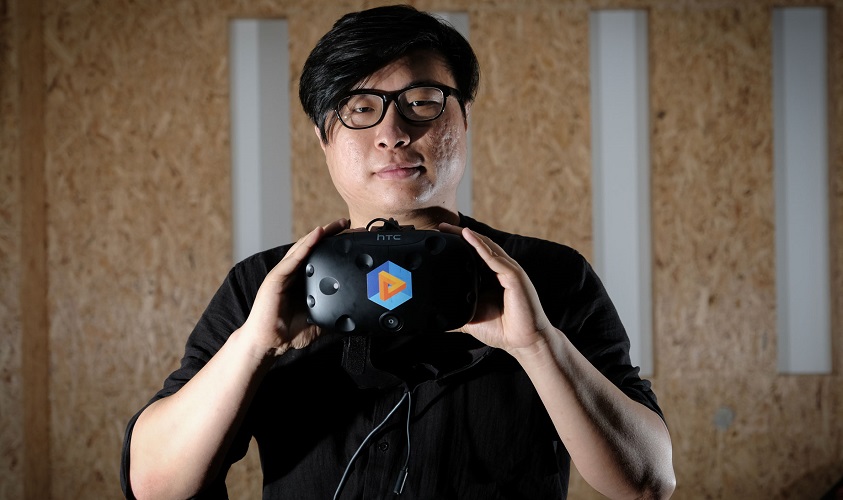
A Virtual Blueprint For Success
It’s not all fun and games with virtual reality—Singapore startup VRcollab is shaking up the construction industry with its VR approach to building design and review.

Scanning Social Media For Signs Of Domestic Violence
Researchers in China have developed predictive models using data from social media posts to assess the impact of domestic violence on the mental health of victims.

Catching Autophagy In The Act
Scientists in South Korea have used the fluorescence resonance energy transfer technique to observe autophagy in live cells.