


The Asian Scientist 100
Can Li

Institution
University of Hong Kong
Country
Hong Kong
Field
Engineering
Li is a recipient of the 2023 Croucher Tak Wah Mak Innovation Award for his research exploring the limitations of digital computers in performing tasks accomplished by the human brain, including recognising faces, reasoning based on vague information, and learning from experience.
(Photo: University of Hong Kong)
AWARDS
- 2023 Croucher Tak Wah Mak Innovation Award
Related articles

Gene Linked To Rare Male-Linked Intellectual Disability
Researchers have solved a 40-year mystery for an Australian family beset by a rare intellectual disability that affects only the male family members.
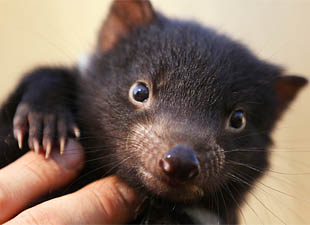
Save Australia’s ‘Frozen Zoo’
Australia’s “Frozen Zoo” – the only facility of its kind on the continent – is facing funding difficulties, writes Professor Ian Gunn, its co-founder.
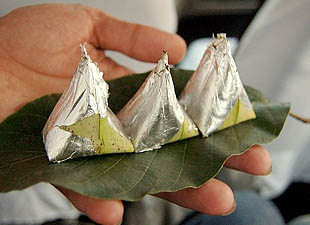
Study: Chewing Betel Quid Linked To Oral Cancer
Chewing betel quid exposes its 600 million users to substances that act as direct carcinogens in the mouth, scientists are reporting in a new study.

Quintiles, Prodia To Collaborate On Diabetes Study In Indonesia
Quintiles today announced the start of its first global diabetes study involving Indonesia, through a partnership with Prodia Clinical Laboratory for in-country testing of samples.

Twisted Light At The Single Photon Level
Researchers have demonstrated that light in tiny integrated arrays of emitters does not propagate in straight rays, contradicting traditional concepts in physics.

Clinical Trial To Test If Vitamin D Can Prevent Multiple Sclerosis
A new clinical trial set to take place in Australia and New Zealand will test whether vitamin D can prevent multiple sclerosis in those at risk of developing the disease.
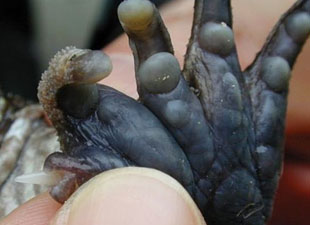
Japanese Fighting Frogs Use ‘Wolverine Claw’ During Combat
A Japanese scientist has discovered a rare breed of frog which has combat-ready retractable spikes that shoot from its fingers.
Japan’s Lake Suigetsu Provides 52,800-Yr Archaeological Clock
A new series of radiocarbon measurements from Japan's Lake Suigetsu has provided an exquisitely preserved record of the past 52,800 years.

Earth Was Too Hot After Mass Extinction 250 Million Years Ago
Scientists have discovered why the ‘broken world’ following the worst extinction of all time lasted so long – it was simply too hot to survive.