


The Asian Scientist 100
Can Li

Institution
University of Hong Kong
Country
Hong Kong
Field
Engineering
Li is a recipient of the 2023 Croucher Tak Wah Mak Innovation Award for his research exploring the limitations of digital computers in performing tasks accomplished by the human brain, including recognising faces, reasoning based on vague information, and learning from experience.
(Photo: University of Hong Kong)
AWARDS
- 2023 Croucher Tak Wah Mak Innovation Award
Related articles

Printing Flexible Electronic Circuits On Paper
Scientists in China have developed a method to print flexible electronic circuits on paper using liquid metal ink.

Taiwan & Mexico Launch Astronomical Observation Project, TAOS-2
A collaboration between Taiwan and Mexico aims to build a new observatory in California that will study the Solar System beyond Neptune.
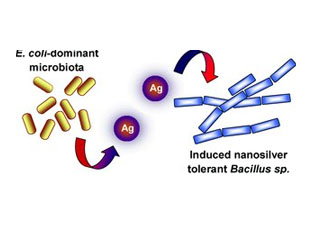
Bacteria Develop Resistance To Antimicrobial Nanosilver, Study
Overexposure to silver nanoparticles may cause other potentially harmful bacteria to rapidly adapt and flourish, says a new study.

Gene Variations Linked To Lung Cancer In Asian Women
An international group of scientists has identified three genetic regions that predispose Asian women who have never smoked to lung cancer.

One Step Closer To A Blood Test For Alzheimer’s
Scientists have discovered blood markers that could be used for the early detection of Alzheimer’s disease.
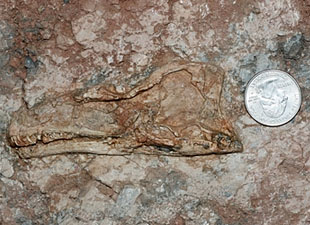
Researchers Find 161-Million-Year-Old Meat-Eating Baby Dino Fossil In China
Researchers have discovered a new species of small meat-eating dinosaur in northwestern China.

H7N9 Genes Originated From Four Sources: Lancet Study
The novel avian influenza A H7N9 virus might have evolved from at least four origins, say Chinese researchers.

Adults Also Can’t Resist Junk Food Advertising, Study
The idea that adults are better equipped than children to resist junk food advertising has been debunked by a new study.

Study Finds That Dark Chocolate Improves Calmness
A new study has found that eating dark chocolate may increase calmness and contentedness due to the polyphenols found in cocoa.