


The Asian Scientist 100
Can Li

Institution
University of Hong Kong
Country
Hong Kong
Field
Engineering
Li is a recipient of the 2023 Croucher Tak Wah Mak Innovation Award for his research exploring the limitations of digital computers in performing tasks accomplished by the human brain, including recognising faces, reasoning based on vague information, and learning from experience.
(Photo: University of Hong Kong)
AWARDS
- 2023 Croucher Tak Wah Mak Innovation Award
Related articles

Supporting Deep Tech Leaders Of The Future (VIDEO)
As the general manager of Entrepreneur First in Singapore, Bernadette Cho enables ambitious individuals to build deep tech companies that solve global problems.

Behind China’s Boom In Bitcoin Carbon Emissions
Without stringent regulations, China's Bitcoin mining emissions could surpass the annual emissions of several European countries by 2024.

Four Asian Scientists Named 2021 Pew Marine Fellows
As Pew Marine Fellows, four researchers from Japan, Indonesia, Singapore and China will address some of the biggest challenges facing our oceans.

Rapid, Rigorous And Robust: How Singapore Approved Its COVID-19 Vaccines
No shortcuts were taken in the COVID-19 vaccine review processes, says Professor John Lim, executive director of the Centre of Regulatory Excellence at Duke-NUS Medical School.
Asian Scientist Magazine’s March 2021 Roundup
Embark on a billion-year scientific odyssey through Asian Scientist Magazine’s top stories from March 2021.

Survival At Stake In Humanity’s Relationship With Nature
To restore humanity's relationship with nature, international collaboration and policy, civic society engagement, changing behaviors and shifting mindsets are needed.

Galactic Collisions Starve Black Holes, Simulations Show
Supercomputer models suggest that head-on galactic collisions can suppress even a black hole’s ravenous appetite.
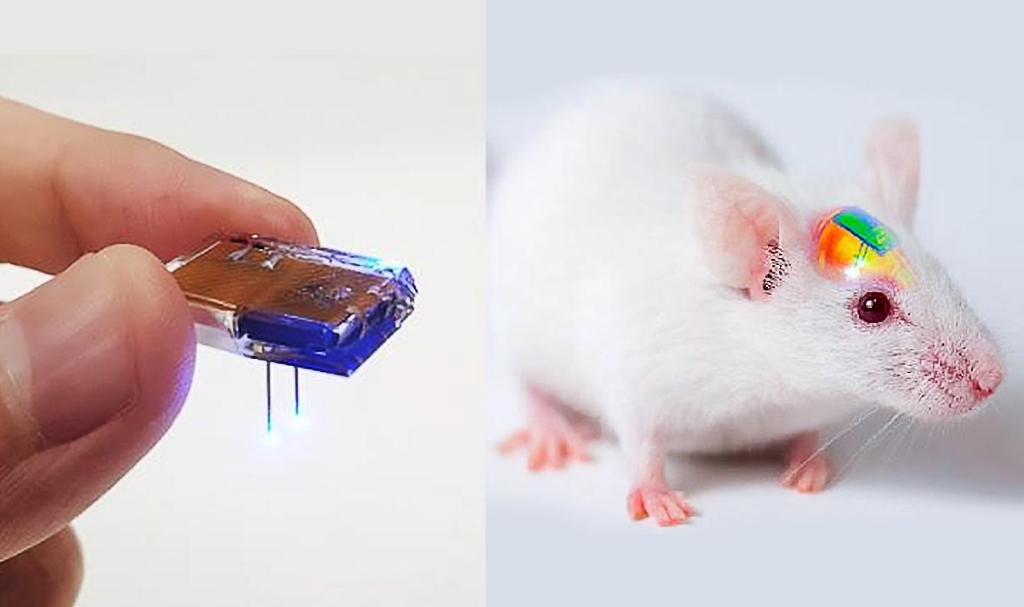
Look Ma, No Wires: Charging The Next Generation of Brain Implants
Scientists in South Korea have developed smartphone-controlled brain implants that can be recharged without any wires.

Meet The World’s Fastest Random Number Generator
Don't be fooled by its tiny size—a new laser can generate 254 trillion random numbers per second.