


The Asian Scientist 100
Can Li

Institution
University of Hong Kong
Country
Hong Kong
Field
Engineering
Li is a recipient of the 2023 Croucher Tak Wah Mak Innovation Award for his research exploring the limitations of digital computers in performing tasks accomplished by the human brain, including recognising faces, reasoning based on vague information, and learning from experience.
(Photo: University of Hong Kong)
AWARDS
- 2023 Croucher Tak Wah Mak Innovation Award
Related articles

Conservationists ‘Living With Grief’
Conservationists are constantly living with grief, says a leading Australian conservation scientist.

Transform Any Flat Surface Into A Touch Screen
Researchers in Singapore have developed a system that turns any flat surface into a responsive, touch sensitive surface.

How To Get Boys To Sing In The Choir
A researcher has found that supportive mothers and music teachers are instrumental in helping school-age boys maintain an interest in singing.

ANALYSIS: Southeast Asia Slowly Accepting Harm Reduction
Southeast Asia is slowly embracing harm reduction in an effort to curb illicit drug use and HIV/AIDS, but huge obstacles remain, experts say.

Mystery Of Turtle Shell Origin Solved
A team of Japanese researchers has solved the long-standing mystery of how the turtle shell originated.

New Nanomaterial To Help Reduce CO2 Emissions
Australian researchers have developed a new nanomaterial that could help reduce carbon dioxide emissions from coal-fired power stations.
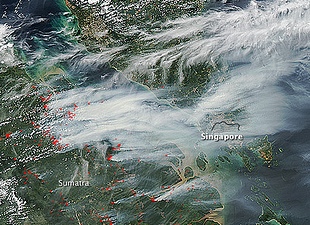
Who Is Responsible For The Southeast Asian Haze? New Culprits Identified
A group of 'mid-level entrepreneurs' contribute to the haze by sidestepping government rules on illegal clearing of land by burning.

10 Genetic Variants Linked To Increased Risk Of Allergies
An international team of scientists has identified 10 genetic variants that increase a person’s risk of having allergies.

Sydney’s Urban Areas To Be Hit Hard By Global Warming
Temperatures in urban areas of Sydney could rise by up to 3.7°C within the next 40 years because of global warming, according to a new study.