


The Asian Scientist 100
Can Li

Institution
University of Hong Kong
Country
Hong Kong
Field
Engineering
Li is a recipient of the 2023 Croucher Tak Wah Mak Innovation Award for his research exploring the limitations of digital computers in performing tasks accomplished by the human brain, including recognising faces, reasoning based on vague information, and learning from experience.
(Photo: University of Hong Kong)
AWARDS
- 2023 Croucher Tak Wah Mak Innovation Award
Related articles

Scientists Identify Genetic Loci For Lynch Syndrome
Scientists can now identify more accurately people at high risk for Lynch Syndrome, an inherited, familial condition that increases the risk of bowel and endometrial cancer.
Sensory Map Development Regulated By Serotonin At Birth
Researchers in Japan have identified how sensory map development is regulated in mice pups at birth.

Bacteria Could Reduce Fertilizer Use In Sugarcane Production
Scientists have discovered a bacterium that could reduce the use of fertilizer in sugarcane production and improve yields.
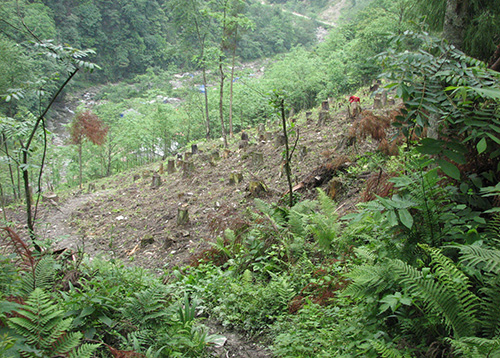
Telecoupling Shows Global Impact Of China’s Forestation Efforts
MSU professor Jianguo Liu dissects the global impact of China’s struggle to preserve and expand its forests even as its cities and population balloon.

Artificially Sweeteners ‘Neutral’ To The Gut: Study
Artificially sweetened drinks produced no different response in the healthy human gut to a glass of water, according to a study.

Chinese Academy of Sciences Inducts 62 New Members
62 Chinese and foreign scientists were formally inducted as members of the Chinese Academy of Sciences during a ceremony in Beijing, China.

CAS Scientist Wang Zhonglin Wins James C. McGroddy Prize
Prof. Wang Zhonglin of the Chinese Academy of Sciences has won the 2014 James C. McGroddy Prize for New Materials by the American Physical Society.

Chickless Birds Help To Guard Relatives’ Nests
A new research study has revealed why some birds choose not to reproduce, and instead help to guard the nests of their close relatives.

7 Cool Science Destinations In Singapore
Who knew that a tiny little island called Singapore could contain so many spectacular science destinations?