


The Asian Scientist 100
Can Li

Institution
University of Hong Kong
Country
Hong Kong
Field
Engineering
Li is a recipient of the 2023 Croucher Tak Wah Mak Innovation Award for his research exploring the limitations of digital computers in performing tasks accomplished by the human brain, including recognising faces, reasoning based on vague information, and learning from experience.
(Photo: University of Hong Kong)
AWARDS
- 2023 Croucher Tak Wah Mak Innovation Award
Related articles

Fixing A Protein ‘Transport Hub’ Could Slow Brain Degeneration
A better understanding of how proteins are sorted and transported in the cell could lead to new treatments for neurodegenerative diseases.

Nanosheets Roll On Command
Scientists from OIST have developed an optically traceable nanosheet that is responsive to pH.
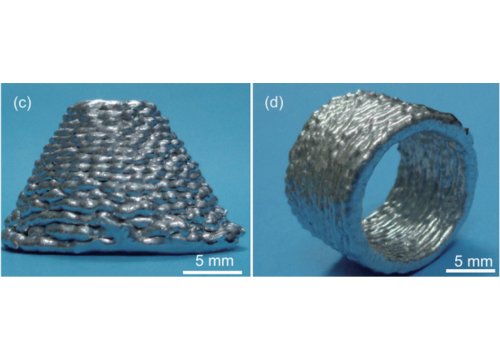
Printing Metal In The Liquid Phase
Scientists have developed a faster and more efficient way to 3D print metal objects, special inks that print in the liquid phase.

Human Genes & Coffee Beans
Whether or not you like coffee is determined by just six genetic loci, according to the largest genetic study on the topic to date.
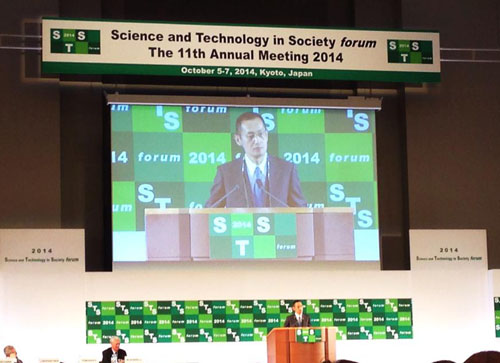
Yamanaka: iPSCs Could Help Fill Our Blood Banks
Imagine a world where we no longer need blood donors, says Professor Shinya Yamanaka, Nobel laureate and inventor of induced pluripotent stem cell technology.
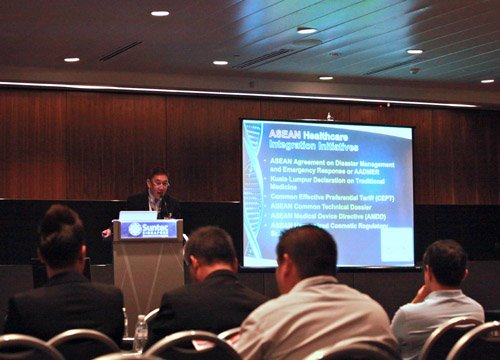
Balancing Healthcare Innovation & Cost
New medical technologies could benefit patients, but adoption should always be tempered by cost concerns, said Dr. Ruben Flores at Medical Fair Asia 2014.

The Genetics Of Monarch Migration
The extraordinary migratory behavior of Monarch butterflies is largely determined by a single gene, scientists say.

Photosynthetic Mystery Solved: Galactolipids Not Necessary
Surprising new research shows that photosynthesis in cyanobacteria does not require the galactolipids found abundantly in the photosynthetic membrane.

Health Insurance Reduces Mortality Among India’s Poor
Government health insurance not only reduced the mortality rate by 64 percent, but also reduced out-of-pocket expenses for patients by 60 percent.