


The Asian Scientist 100
Can Li

Institution
University of Hong Kong
Country
Hong Kong
Field
Engineering
Li is a recipient of the 2023 Croucher Tak Wah Mak Innovation Award for his research exploring the limitations of digital computers in performing tasks accomplished by the human brain, including recognising faces, reasoning based on vague information, and learning from experience.
(Photo: University of Hong Kong)
AWARDS
- 2023 Croucher Tak Wah Mak Innovation Award
Related articles

Studying Plankton With An OCTOPUS That Can Survive Typhoons
An underwater observatory has allowed scientists to study what happens to tiny sea plankton during a typhoon.
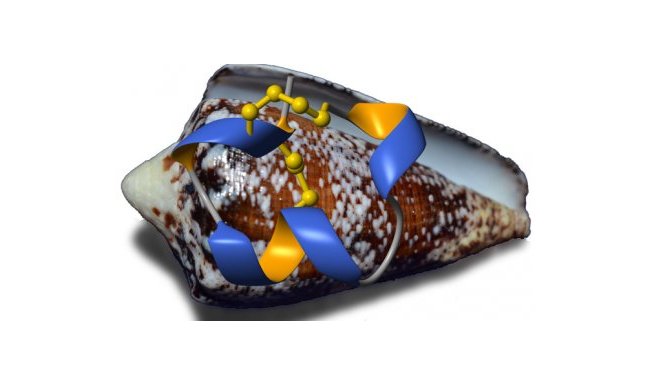
Snail Venom: A Sting In The Tail Of Cancer & Addiction
Cone snail toxins which selectively activate a specific nicotinic acetylcholine receptor could potentially treat lung cancer and nicotine addiction.

Xinjiang’s Diverse Seed Beetles
Researchers have discovered 19 different species of seed beetle in Xinjiang, China, including four that were not previously associated with the region.
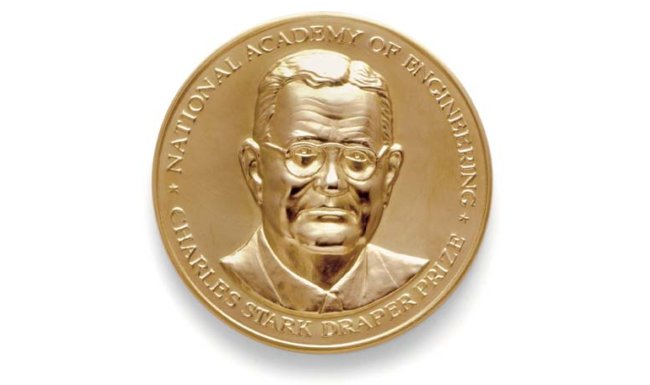
Nakamura & Akasaki Awarded 2015 Draper Prize
Five pioneering LED researchers have been awarded the Draper Prize for Engineering awarded by the American National Academy of Engineering.

Giant Clams Reveal The Warmth Of The Middle Age Oceans
The South China Sea's biggest bivalve reveals that ocean temperatures in the Middle Ages were warmer than they are today.
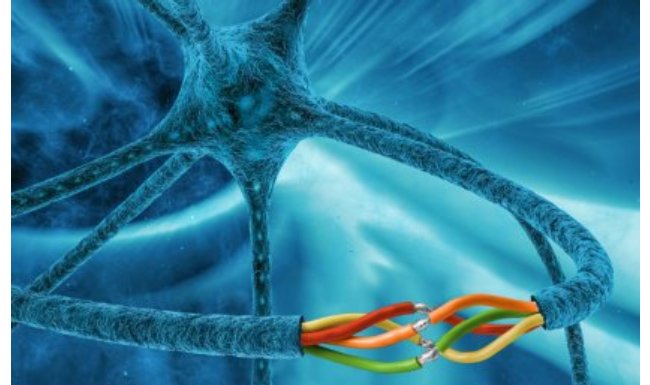
Putting Severed Nerves Back Together Again
A study in roundworms has uncovered the pathway required for the joining of severed nerves, prompting fresh research in regenerative medicine.

A Quantum Leap For Hard Drives
The ability to store information for as long as six hours could change the approach to developing quantum communication systems.

“Selfish” Gut Bacteria Steal From Yeast
Feeding the beneficial gut bacteria Bacteroides thetaiotaomicron could help alleviate inflammatory bowel disease.
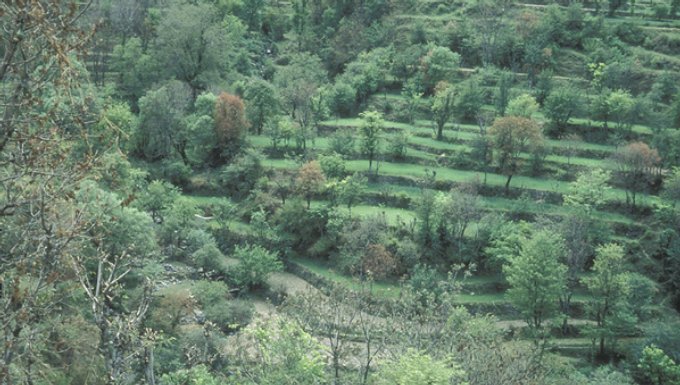
Climate Change Threatens India’s Native Plants
Even moderate climate change could have an impact on the native biodiversity of India, home to 11 percent of the world's flora.