


The Asian Scientist 100
Can Li

Institution
University of Hong Kong
Country
Hong Kong
Field
Engineering
Li is a recipient of the 2023 Croucher Tak Wah Mak Innovation Award for his research exploring the limitations of digital computers in performing tasks accomplished by the human brain, including recognising faces, reasoning based on vague information, and learning from experience.
(Photo: University of Hong Kong)
AWARDS
- 2023 Croucher Tak Wah Mak Innovation Award
Related articles

Predicting Which Combinations Will Yield Metallic Glass
An understanding of the molecular structure could help scientists predict which alloys will result in metallic glasses.

India & US Conclude Joint Monsoon Mission
Data collected during the month-long cruise is expected to help refine the forecasting of monsoon winds.

Japanese Physicist Wins 2015 Nobel Prize For Neutrino Research
Takaaki Kajita wins half of the 2015 Nobel Prize in Physics for proving that neutrinos have mass.

Cartilage Regeneration With Fetal-derived Tissue
An in vitro study has suggested that fetal cartilage-derived progenitor cells are a more active source of cells in cartilage cell replacement therapy compared to mesenchymal stem cells.

The Mystery Of Size Constancy Over Varying Distances
Scientists have found a special set of cells in higher visual cortex encodes the size of an object, solving the perceptual mystery of size constancy.
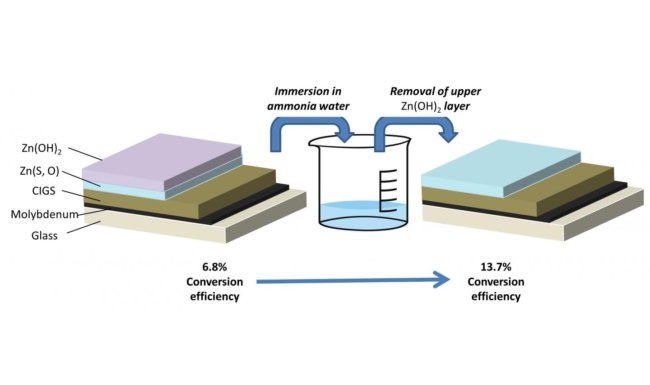
A Quick Dip In Aqueous Ammonia Doubles Solar Cell Efficiency
Immersing CIGS solar cells into ammonia removes the upper zinc hydroxide layer, doubling their solar conversion efficiency in the process.

Baby’s Saliva Interacts With Mum’s Milk To Fight Bad Bacteria
It turns out that baby drool is not just to annoy parents; chemical reactions between saliva and milk help to build baby's immune system.

Neurological Soft Signs Of Schizophrenia Are Highly Heritable
Research shows that soft signs such as rigidity, gait imbalance and tremors are an inheritable indicator of schizophrenia.

These Diamonds Don’t Just Sparkle, They Fluoresce!
By introducing germanium to the diamond crystal lattice, scientists have succeeded in producing single photons in a narrow, high energy wavelength band.