


The Asian Scientist 100
Can Li

Institution
University of Hong Kong
Country
Hong Kong
Field
Engineering
Li is a recipient of the 2023 Croucher Tak Wah Mak Innovation Award for his research exploring the limitations of digital computers in performing tasks accomplished by the human brain, including recognising faces, reasoning based on vague information, and learning from experience.
(Photo: University of Hong Kong)
AWARDS
- 2023 Croucher Tak Wah Mak Innovation Award
Related articles

Solving The Mystery Of The Disappearing Anti-Matter
The STAR Collaboration has made the world's first measurements of interactions between fundamental particles known as antiprotons.

New Wasps Become ‘The First Long-Haired Ones’
Researchers in India have discovered five new species of wasps that specialize in parastizing spider eggs, placing them in a new group that translates to ‘the first long haired ones.’

Supercharging Seed Oil Production
By extending the length of time that oil synthesis-related genes are active, researchers have increased seed oil production by 140-170 percent.

Drawing The Line: Emerging Challenges In Property Law
At the inaugural ANU-SMU-Reading Research Forum, three experts discussed contemporary issues in property law.

Studying The Logic Of Luxury
The SMU Centre for Marketing Excellence is partnering with Asia’s luxury sector to navigate trends that are changing the face of retail.

Estrogen Exposure Associated With Cognitive Impairment In Women
Women with shorter reproductive periods and a higher number of full-term pregnancies are at greater risk of cognitive impairment, study says.

Black Gold Lotus Leaf Absorbs Almost All Visible Light
By coating lotus leaves in black gold nanoparticles, researchers have developed a metamaterial that has an extremely low reflectivity.
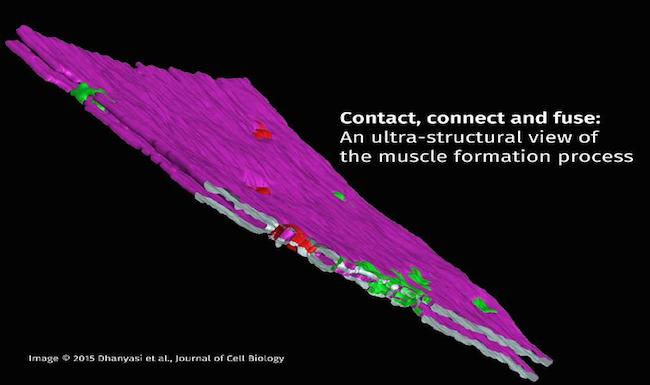
Solving The Mystery Of Muscles’ Self-Healing Powers
Using a combination of RNA interference and high resolution microscopy, scientists have observed how myoblast fusion occurs in fruit flies.
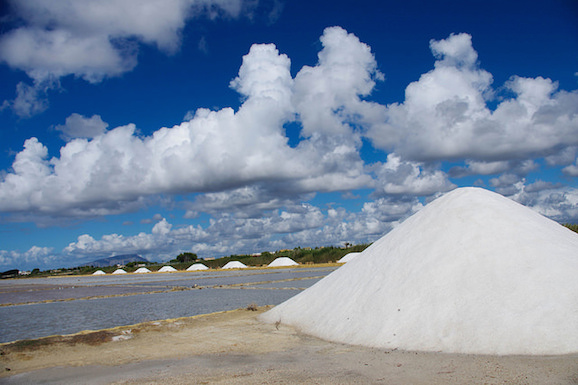
Microplastic Waste Found In Sea Salt
Microplastics, which could potentially cause cell damage, have been found in sea salt available in Chinese supermarkets.