


The Asian Scientist 100
Can Li

Institution
University of Hong Kong
Country
Hong Kong
Field
Engineering
Li is a recipient of the 2023 Croucher Tak Wah Mak Innovation Award for his research exploring the limitations of digital computers in performing tasks accomplished by the human brain, including recognising faces, reasoning based on vague information, and learning from experience.
(Photo: University of Hong Kong)
AWARDS
- 2023 Croucher Tak Wah Mak Innovation Award
Related articles
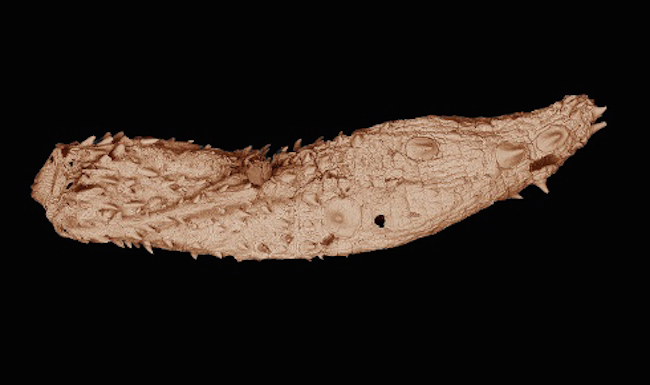
530 million Year Old Mud Dragons Found
The first fossils of mud dragons have been found, tracing their ancestry to the Cambrian period.

Rising Obesity Risk Among China’s ‘Left Behind Children’
Children left behind in rural China while their parents head to the cities for work face an increased risk of obesity, research suggests.

Sussing Out Nitrate And Nitrites With sNOOOpy
With the help of sNOOOpy, researchers can detect both nitrates and nitrites in living cells in real time.

Why The Crab-Eating Frog Can Tolerate Salty Environments
A comparitve transcriptomics study has revealed the rapid evolution of kidney-related genes that make the crab-eating frog the only frog able to live in salty water.
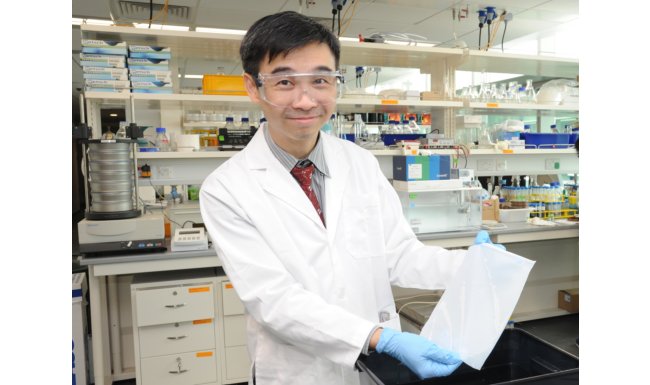
Nature-Inspired Membrane Could Slash Cost Of Water Purification
By embedding aquaporins into a membrane, researchers have developed a water filtration system that can operate at lower pressure.

ASLAN Raises US$34 Million For Immuno-Oncology
The US$34 million in Series C funding will be used to complete at least ten clinical studies for ASLAN's lead compound, ASLAN001.

HKU Mathematician Mok Ngai-ming Elected To CAS
Professor Mok Ngai-ming has been elected to the Chinese Academy of Sciences in recognition of his contributions to mathematics in Hong Kong and Mainland China.

Genetics Helps Trace The Tale Of Coral Migration And Recovery
A study of over 900,000 SNPs has helped scientists identify the genetic changes that help some corals survive bleaching events better than others.

New Genetic Paradigm Might Pave The Way For Better Drug Targets
When faced with a lack of certain ‘essential’ genes, yeast cells can cope by simply doubling up their chromosomes.