


The Asian Scientist 100
Can Li

Institution
University of Hong Kong
Country
Hong Kong
Field
Engineering
Li is a recipient of the 2023 Croucher Tak Wah Mak Innovation Award for his research exploring the limitations of digital computers in performing tasks accomplished by the human brain, including recognising faces, reasoning based on vague information, and learning from experience.
(Photo: University of Hong Kong)
AWARDS
- 2023 Croucher Tak Wah Mak Innovation Award
Related articles

Fish Oil Could Help Clear Amyloid β Peptides Via Glymphatic System
Omega-3 polyunsaturated fatty acids found in fish oil may provide benefits for patients with Alzheimer's disease, traumatic brain injury, and sleep impairment, among others.

To Fight Mild Cognitive Impairment, Flex Those Muscles
Strength training has been shown to be beneficial for people with mild cognitive impairment, a precursor to Alzheimer's disease.

Next-gen Smartphone Battery Draws Inspiration From The Gut
Inspiration for the lithium-sulfur battery came from the cells lining the human intestine.

Wearable Robotic Limb Helps Patients With Gait Rehab
Scientists have designed a wearable lower-limb robot that features natural knee movement to improve patient comfort and their willingness to wear it.

Glowing Molecules 3x More Efficient Than LEDs
The metal-free phosphorescent molecules glow three times as brightly as LEDs at room temperature.
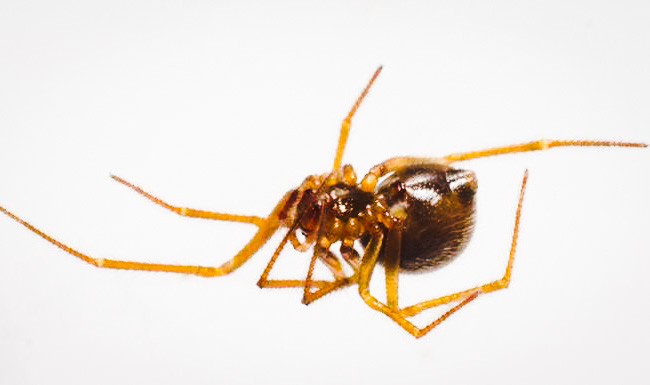
43 New Species Of Scaffold Web Spider Discovered In Asia
Try not to run screaming in the other direction. This discovery increases the number of known scaffold web spider species by 20 percent.

Micrometer-sized Silicon Electrodes To Study The Brain
Researchers in Japan have developed tiny, micrometer-scale needle-electrode devices to record and analyze the brain's electrical activity.

This Gene Is Responsible For Autumn’s Colors
Researchers have learned how a gene called Stay-Green turns leaves from green to rich oranges, yellows and reds during fall.

This Is What The Sky Looks Like In Radio Wave Technicolor
The GLEAM telescope, located deep in the West Australian outback, lets us peek into what the Universe would look like if human eyes could see in 20 primary colors.