


The Asian Scientist 100
Can Li

Institution
University of Hong Kong
Country
Hong Kong
Field
Engineering
Li is a recipient of the 2023 Croucher Tak Wah Mak Innovation Award for his research exploring the limitations of digital computers in performing tasks accomplished by the human brain, including recognising faces, reasoning based on vague information, and learning from experience.
(Photo: University of Hong Kong)
AWARDS
- 2023 Croucher Tak Wah Mak Innovation Award
Related articles
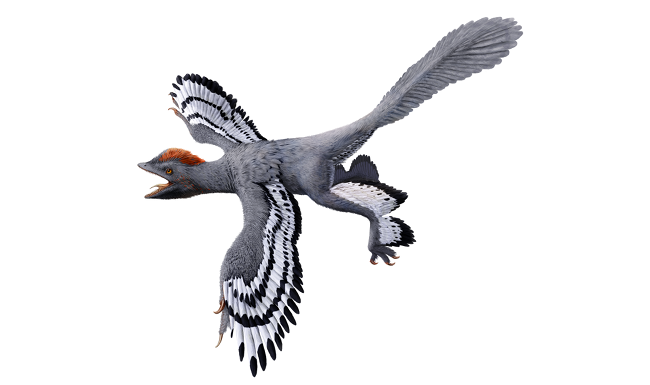
Lasers Make Dino Flesh Glow In The Dark
Laser-stimulated fluorescence has helped scientists reconstruct the soft tissue of a feathered dinosaur, illuminating the mysteries behind the origin of birds.

The Evolving Poetry Of Japanese Color Names
The Japanese words for green and blue are influenced by classical poetry but have also evolved over time.
When Is The Best Time To Eat ‘Good’ Fats?
Eating food with long chain polyunsaturated fatty acids during the day might help to lessen the risk of metabolic syndromes, researchers say.

The Best Of Both Worlds For New Glow-In-The-Dark Compounds
By combining the conventional metal-ligand system and aggregation-based system, scientists have designed glow-in-the-dark compounds that can be both tuned and controlled.

One Material, Three Colors
Researchers have developed a material that can switch its color between yellow, red and orange in response to heating, fuming and grinding.
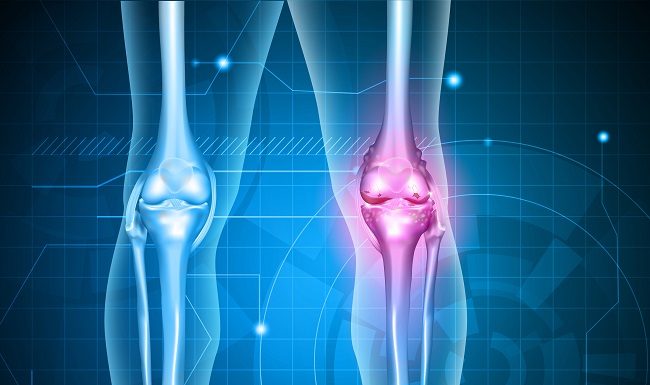
CMBG Receives US$2.29 Million Grant For Stem Cell Therapy
China's Cellular Biomedicine Group has received US$2.29 million to support pre-clinical studies of stem cell therapy for knee osteoarthritis.

7 Inspiring Scientists Who Happen To Be Women
These seven women have all overcome the odds to become leaders in their own fields.
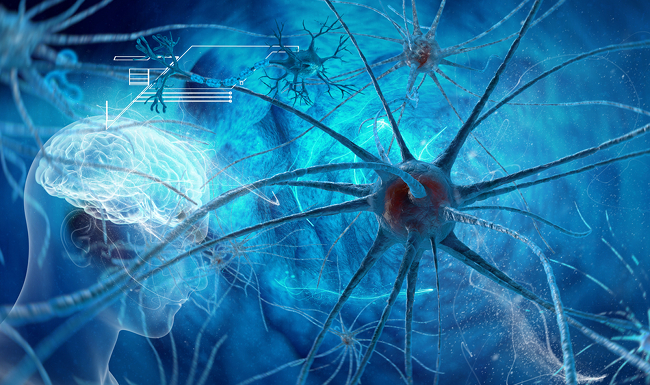
Erasing Fears With Antibodies And Light
By combining the precision of antibodies with toxic oxygen bursts, researchers have inactivated neural proteins to abolish fearful memories in mice.

Calling For Asia’s Best Science Communicators
The Asian Scientist Writing Prize returns this year to turn a spotlight on the region's best and brightest science writers.