


The Asian Scientist 100
Can Li

Institution
University of Hong Kong
Country
Hong Kong
Field
Engineering
Li is a recipient of the 2023 Croucher Tak Wah Mak Innovation Award for his research exploring the limitations of digital computers in performing tasks accomplished by the human brain, including recognising faces, reasoning based on vague information, and learning from experience.
(Photo: University of Hong Kong)
AWARDS
- 2023 Croucher Tak Wah Mak Innovation Award
Related articles

Measuring The ‘Springiness’ Of Red Blood Cells
A microfluidic method of measuring red blood cell deformity has revealed that the cells take longer to recover if they are constricted for more than three minutes.
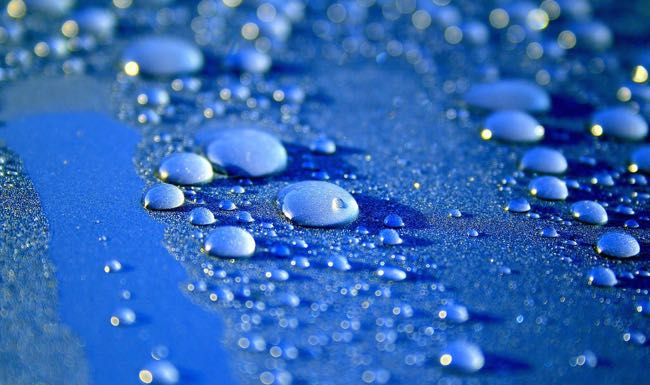
An Easy Way To Make Self-Cleaning Paint
A modified nanoclay has helped researchers turn ordinary paint into water-repelling, self-cleaning paint.

Calcium Ions Help Shape The Brain
A transient increase in the concentration of calcium ions is necessary for the proper formation of the neural tube in the developing embryo.

Crowdsourcing A Practical Indoor GPS
Scientists in South Korea have developed an indoor locating technology using crowdsourced fingerprints from smartphones.

Starfish Study Supported By Crowdfunding
In the first ever crowdfunded study in Japan, researchers have made non-destructive observations the fleshy brittle star.

Revealing The Demon Starfish’s Weakness Through Its Genes
The genome of the Crown-of-Thorns starfish is helping scientists develop ways to control the reef-wrecking predator.

Scientists Uncover New Antiviral Defense Mechanism In Rice
Chinese researchers have revealed a new antiviral mechanism in rice, a discovery that could boost control against viral epidemics and guarantee food security.

How The ‘Longevity Gene’ Gets By With A Little Help From Its Friends
Researchers have identified a region in SIRT1 that controls how it binds to other proteins and thereby affects downstream metabolic pathways.

Not A Muscle But Still On The Move
Even non-muscle cells require motor proteins to pull against their surroundings and fight their way through often sticky environments, researchers say.